Do I Have to Pay Half the Mortgage if I Move Out?

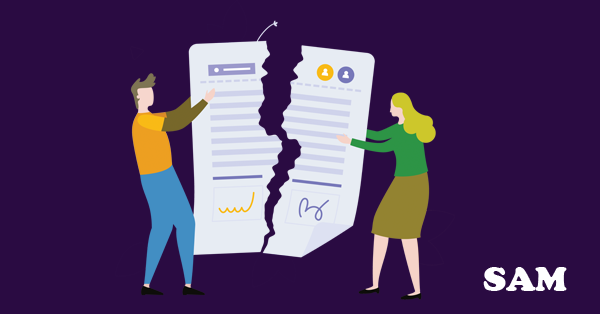
Your obligations towards your mortgage do not change just because your relationship or marriage breaks down. Whether you live together under the same roof or one of you moves out, you are both jointly and severally liable to repay the monthly mortgage amount.
Joint mortgages are offered by lenders on a joint and several basis, meaning the debt is 100% the responsibility of each borrower. If you assume you can move out, stop paying your share, and leave your ex to cover it, you risk missed repayments, a lower credit score, which, in the long run, might affect your ability to borrow in the future.
In this guide, we break down the reality of joint mortgages after separation, the pros and cons of one person paying, how your credit score is affected, and the legal steps you can take to remove your name from the property title deeds.
Need further property dispute help? For more information on navigating relationship breakdowns, including guides on property rights over your partner's house and how to deal with a force sale when unmarried, visit our property rights and disputes hub.
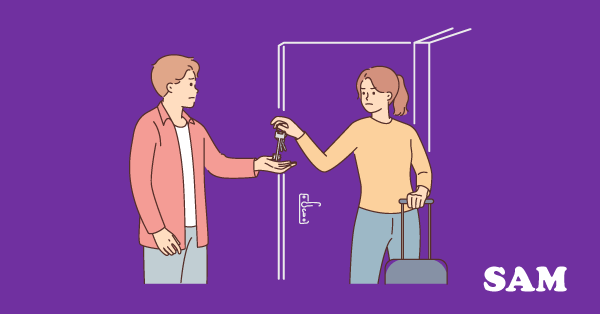
- Moving out does not end your responsibility: If you move out, but your name remains on a joint mortgage, you are still responsible for the repayments, even if you no longer live in the property. Your obligations continue until the mortgage is repaid or your lender formally releases you from it.
- Missed payments can affect your credit score: If you stop paying your share of the mortgage after you move out and you do not cover them, arrears, defaults, or County Court Judgments (CCJs) could affect both of your credit records.
- There are options for removing your name from the mortgage: Depending on your circumstances, you may be able to transfer ownership to your former partner, sell the property and repay the mortgage, or explore alternative arrangements with your lender. However, you need to remember that transferring your share of the property or removing your name from the title deeds typically does not, by itself, end your mortgage liability; generally, only after the lender approves the proposed mortgage arrangements will you be formally released from your financial commitments.
- Legal advice can help you resolve disagreements: If you and your ex-partner cannot agree on who should pay the mortgage, whether to sell the property or how to divide the equity, a property dispute solicitor can help you explain your legal options and help you take the best next steps.
Do I still have to pay the mortgage and bills after separation?
No matter your marital status, leaving a property does not terminate your contractual obligations to the mortgage lender. Even if you separate or divorce, moving out does not automatically change your legal responsibilities to the mortgage lender. Because lenders view mortgage debt as joint and several, they can legally pursue either party for 100% of the outstanding balance or monthly payments, regardless of any private agreements you have made between yourselves about how day-to-day costs should be shared.
However, there are other practical considerations to bear in mind when you move out of a jointly owned home. These include how you own the property, whether you can afford another mortgage and who remains responsible for household bills.
- Joint Tenants vs Tenants in Common: If you move out and own the property as Joint Tenants, your share will typically pass automatically to your ex if you die under the Right of Survivorship, subject to whether the joint tenancy has been legally severed. If you want your share of the property to pass to your family or children instead, you may need to sever the joint tenancy and become Tenants in Common.
- The 'second mortgage' trap: Because you remain responsible for the existing mortgage, applying for a new mortgage to buy another home may be more difficult. Lenders will take your existing mortgage commitments into account when assessing how much you can afford to borrow, which could reduce your borrowing capacity.
- Informal agreements carry no weight: Verbal or informal agreements between you and your ex, such as 'you live in the house, so you pay the mortgage', do not change your legal responsibility to the mortgage lender.
- Bills and Council Tax: Responsibility for utility bills (electricity, gas, water) will depend on who is named on the account and the terms of the contract. Council Tax may qualify for a 25% single-person discount if only one eligible adult remains living in the property.
Book a FREE 15-minute meeting* with a specialist property dispute solicitor/consultant.
They'll listen to your issue and suggest ways forward, including the costs, with no obligation to use our services after the free meeting.
- Can my partner sell the house?
- What are my rights to stay?
- Am I due a share?
- Can I get my name on the legal title?
- Can I stop paying the mortgage if I move out?

Expert Tip: What are your rights if you leave your marital home?
Moving out does not mean you lose your legal ownership of the property or your right to a fair financial settlement. Even if you no longer live together, your ownership rights and financial interest in the property remain, subject to the relevant legal arrangements. However, if you are still named on the mortgage, you may remain responsible for the repayments, even after moving out.
Understanding your property rights and ongoing mortgage obligations is essential when separating. For more information about the difference between legal and beneficial ownership, and how the courts may assess your share of the property, read our guide: Property Rights When Separating Joint Owners.
CEO of SAM Conveyancing
Can your credit score be affected if you move out and stop paying the mortgage?
Moving out does not protect your credit history from your ex-partner's financial spending. If payments are missed, your credit history could be affected even if your ex-partner remains in the property and is responsible for making the payments under an agreement between you. Here are some ways it may affect you:
- Defaults and CCJs: Missed mortgage payments can be recorded on the borrowers' credit files and may lead to arrears and further action by the lender. A CCJ is a separate legal outcome that can arise if a creditor takes court action over a debt; it is not an automatic consequence of missing a mortgage payment.
- Future borrowing issues: A lower credit score can affect renting a property, getting a credit card or securing a new mortgage for a future home.
- Repossession risk: If mortgage arrears are not resolved, the lender may eventually take steps to repossess the property. This could put both parties' equity and financial future at risk.
Expert Tip: What should you do if your ex-partner stops paying the mortgage?
If your ex-partner stays in the property but stops paying the mortgage, you could face missed payments, mounting arrears and damage to your credit record. To protect your financial position, take the following steps as soon as possible:
- Keep the mortgage payments up to date: Keep a record of any payments you make, especially if you are covering your ex-partner's share, because these payments may be relevant when negotiating a financial settlement, although reimbursement is not automatic.
- Contact your mortgage lender: Do not wait for missed payments to build up. Explain that you have separated and that your ex-partner is no longer contributing to the mortgage. Your lender can discuss the support or payment arrangements available in your circumstances to help reduce the risk of further arrears.
- Keep clear records of payments and correspondence: Save bank statements, payment confirmations and messages about the mortgage. Keep a record of what you have paid and any contributions made by your ex-partner. This evidence may help your property solicitor assess whether an adjustment should be considered as part of a financial settlement or property dispute.
- Seek legal advice: If your ex-partner refuses to contribute, speak to a property dispute solicitor about your options. Depending on your circumstances, these may include applying for a court order under the Trusts of Land and Appointment of Trustees Act 1996 (TOLATA), protecting your occupation rights where applicable, or arranging a buyout or sale of the property.
Do not assume that moving out or reaching an informal agreement with your ex-partner removes your responsibility for a joint mortgage. Until your lender formally releases you from the mortgage, you may remain liable for the full debt. Get legal advice early to understand your options and protect your financial position.
CEO of SAM Conveyancing
Joint mortgage paid by one person: pros and cons
If you are thinking of paying for the mortgage by yourself, you should consider both the benefits and downsides.
Pros | Cons |
|---|---|
Protects credit history: Keeps the mortgage account up to date, preventing missed payments or property repossession. | Carries full financial burden: Paying the mortgage single-handedly can heavily strain your monthly cash flow and create a financial imbalance. |
Preserves the asset: Secures the roof over your head or prevents the home from being forced onto the market. | Does not automatically increase equity: Unless formally agreed via a Deed of Variation or court order, paying the mortgage alone rarely guarantees you a larger ownership share without a formal agreement or court order. |
Strengthens equitable claims (occupational outgoings): In legal settlements (e.g., under TOLATA), paying mortgage capital can support a claim for ‘equitable accounting’ to recover those funds from the non-paying partner’s equity share. Although this is not automatic and will depend on the facts, nature of payments, and ownership agreements as well. | Potential reduced benefit from rent: If the partner paying the mortgage also continues living in the house, a court might reduce the amount of money they can claim back from their ex, because they have had the sole benefit of living in the property. |
The stay-at-home parent dilemma
One of the most common challenges stay-at-home parents face during separation or divorce is ensuring their non-financial contributions to the family are legally recognised.
When dividing assets and determining who pays the mortgage, family courts in England and Wales place significant value on non-financial contributions. This includes:
- The sacrifice of earning potential to raise children.
- Maintaining the household and managing domestic duties.
- Supporting their partner's career advancement.
Stay-at-home parents should seek legal advice, as courts assess these contributions on a case-by-case basis.
How can you remove your name from a mortgage and title deeds?
Before thinking of removing your name from a mortgage and title deeds, you need to consider the benefits and downsides, so you can make the most informed decision:
Pros | Cons |
|---|---|
|
|
To remove someone from a mortgage and transfer the property into a sole name, you have different options that can work, depending on the circumstances. These include:
- Transfer of Equity (standard buyout): The remaining partner applies to the lender to take on the mortgage alone and buys out your share of the property's equity. A Transfer of Equity does not automatically release you from your mortgage obligations. The lender must formally approve the change and agree to the remaining partner taking on the mortgage alone.
- Lender approval and tax considerations: When taking over the property, the remaining partner may also need to consider Stamp Duty Land Tax (SDLT) implications, depending on the size of the mortgage debt being assumed, though transfers made in a formal divorce order or court separation agreement are often exempt. A property solicitor can help make sure the TR1 Form is completed correctly and that the Land Registry records are updated.
- Forced sale or court orders: If your ex-partner refuses to cooperate with a buyout or sale, there are other options. You can apply to court for a legal remedy to force a resolution by using a TOLATA claim for joint property disputes if you are unmarried, or financial remedy proceedings during a divorce.
- Alternative options: Other options include selling the property on the open market to clear the debt, substituting borrowers, using a Joint Borrower Sole Proprietor (JBSP) arrangement, or completing a full mortgage redemption using savings or inheritance.
How much does a Transfer of Equity cost?
While every case is different, understanding the typical costs and timescales upfront can help you plan ahead, prepare your documents, and avoid unnecessary delays during the process.
- Timescales: A Transfer of Equity usually takes 4 to 8 weeks from instruction to completion. However, this can extend to 12 weeks or more if it involves a remortgage, a complex matrimonial separation, or a formal court order.
- Solicitor legal fees: Professional conveyancing fees generally start from around £399, depending on the complexity of the transfer and whether a new mortgage needs to be arranged.
- Disbursements and third-party costs: Budget for additional costs, including Land Registry fees, which vary depending on the property value and application type, and electronic ID checks.
- Stamp Duty Land Tax (SDLT): Stamp Duty may be payable depending on the mortgage debt being assumed as part of the transfer. Some transfers related to divorce or separation may qualify for an exemption, depending on the circumstances and applicable rules.
For a full breakdown of the process, potential lender charges, and hidden pitfalls to look out for, read our complete guide: Transfer of Equity Solicitor Process Explained.
Checklist: Tips for managing a joint mortgage after moving out
Taking the right steps early can help prevent financial and legal problems during a Transfer of Equity.
- Contact your mortgage lender: Tell your lender about any financial or marital changes, including removing someone from the title deeds, adding someone new, changes to your income or a change in marital status.
- Keep an eye on your credit file: Set up credit alerts so you are notified quickly if you miss a payment or there is unexpected activity on your credit file.
- Keep your mortgage records safe: If you are paying the mortgage while living somewhere else, keep all payment receipts and bank statements. This can help prevent misunderstandings with your lender, HMRC or your legal representatives.
- Consider a Matrimonial Home Rights Notice: If you are married and have moved out of the family home, you may be able to register a Matrimonial Home Rights Notice (Class F Land Charge) with the Land Registry. This can help protect your rights if your spouse tries to sell or remortgage the property without your consent.
Protect your property rights after separation
If you are dealing with a joint mortgage after separation or need help managing your next steps, getting the right legal advice early can help protect your position. Book a FREE 15-minute meeting with a specialist property dispute solicitor to discuss your situation.
Frequently Asked Questions

Andrew Boast FMAAT is a qualified accountant, conveyancing specialist and author with over 25 years of experience in the UK property sector. Since beginning his career in 2000 within established SRA and CLC-regulated conveyancing solicitor firms, Andrew has overseen the legal journeys of more than 75,000 clients.
He is the self-published author of the first-time buyer guide: How to Buy a House Without Killing Anyone, and a frequent contributor to mainstream UK media on legislative updates, property law, first-time buyer guides, conveyancing best practices, and stamp duty changes. Andrew specialises in resolving complex title issues, property conflict disputes, and property tax options, streamlining the enquiry process to reduce transaction times and maintaining a client-friendly focus.

Amanda Ambler is a highly accomplished conveyancing specialist with over 15 years of dedicated experience across residential property law, legal compliance, and practice management. Having held senior roles, including Head of Legal Practice and Head of Conveyancing at established UK law firms, Amanda possesses a profound, hands-on understanding of the technical intricacies of the property market.
As the designated Legal Content Reviewer for SAM Conveyancing, Amanda ensures that every guide, legal update, and resource published meets the absolute highest standards of accuracy, regulatory compliance, and factual integrity. Her rigorous review process guarantees that complex property legislation and industry processes are communicated clearly, transparently, and safely for home buyers and sellers alike.
Latest Property Dispute Tips & Guides

Do I Have Property Rights Over My Partner’s House?

Tree Pruning Laws: Rights and Rules in England and Wales

Can I Sue the Previous Owner for Property Misrepresentation?


TOLATA Claims: Resolving Property Ownership Disputes
Can a Neighbour Paint My Fence Without Permission?

Share of Freehold Nightmare: What Happens When Co-Owners Disagree?
Selling or Transferring Property After a Divorce: A Conveyancing Guide


Can a neighbour build a shed or pergola against your fence?




Nightmare Neighbour? How to Stop Disruptive Building Work