Can a Neighbour Paint My Fence?

Disputes over garden fences are among the most common causes of neighbour friction in England and Wales. If you looked out of your window and noticed a newly drilled-in hanging basket, an attached trellis, or heavy timber leaning against your fence, you are likely wondering where you stand legally.
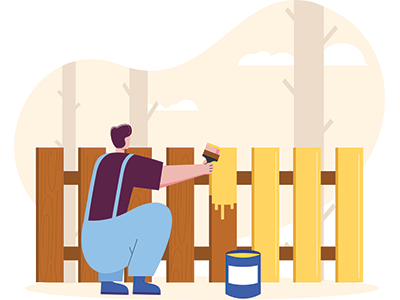
The direct answer is that if you own the fence, your neighbour has no legal right to attach, paint, lean against, or alter any part of it without your explicit permission. Even though the back of the fence faces their garden, the timber belongs entirely to you as personal property. Making changes without your consent legally constitutes trespass to personal property and, in cases where physical harm or rot occurs, criminal damage.
- Absolute ownership rights: If you own the fence, your neighbour cannot legally drill, paint, attach items to, or lean objects against it without your explicit permission.
- Myth vs reality: Ownership is dictated strictly by your title deeds. There is no automatic legal rule that you own the fence on the left or right side.
- Civil and criminal risk: Unauthorised alterations qualify as civil trespass to personal property, while physical damage or rot caused by attachments can constitute criminal damage.
- Shared fence rules: If both neighbours share the boundary fence, neither can make unilateral changes or drill fixings without mutual agreement.
- Resolution pathway: Address issues progressively. Attempt an informal conversation, suggest free-standing alternatives, and issue a formal notice before seeking legal action.
As seen in House Beautiful
If the fence is owned by both of you, neither you nor your neighbour should drill, paint or put anything on the fence unless the other person agrees to it. This is because you both share responsibility for the structure.
— Andrew Boast FMAAT, CEO of SAM Conveyancing
How do I know who owns the fence?
Before addressing an issue with your neighbour, you must establish who legally owns the boundary structure. The most reliable way to do this is to review your property's title register, title plan and any relevant deeds.
Look at the register for 'T' mark as this normally indicates ownership or responsibility for the boundary feature.
- 'T' mark on your side of the boundary: This indicates that the fence is your property and you are responsible for its maintenance.
- 'H' mark (two 'T' marks meeting at the boundary line) Indicates a shared boundary wall or party fence. Both neighbours share joint responsibility and ownership.
If you find that the fence is a shared boundary, neither neighbour can make unilateral changes or drill fixtures without the other's consent. It is also always a good idea to read the wording of the relevant deed rather than relying on the symbol alone.
Expert Tip: There is no automatic rule of thumb
Contrary to popular belief, there is no automatic rule of thumb in UK law that states you always own the fence on the left or right side of your garden. Ownership is determined entirely by the deeds and historic boundary agreements.
CEO of SAM Conveyancing
What can and cannot be attached to a boundary fence?
If the fence sits entirely on your land and is owned solely by you, your neighbour cannot alter or use it without permission. Common attachments include:
Item/action | Legal status | Why it matters |
|---|---|---|
Hanging baskets & pots |
| Drilling holes weakens timber; added weight causes sagging. Water runoff causes timber rot. |
Trellis/climbing plants |
| Heavy plants (like ivy or wisteria) damage fence panels over time and add structural strain. |
Painting/staining |
| Painting the side facing your garden without consent counts as altering property you do not own. |
Leaning objects (e.g. firewood, soil) |
| Constant weight and moisture transfer against fence panels accelerate rotting and structural failure. |
Garden shed or pergola |
| Attaching or anchoring heavy structures to a boundary fence can cause severe structural strain, moisture trap, and timber damage. |
Is attaching items to a neighbour's fence illegal?
In England and Wales, a boundary fence is legally classified as personal property belonging strictly to the landowner who erected or bought it or is identified within the deeds. With no legal entitlement to alter the fence, if your neighbour makes changes, they potentially could be crossing the line into civil and criminal liability.
- Civil Trespass (Trespass to Goods): Attaching items, such as hanging baskets or trellises, or even leaning heavy soil or compost against your fence, constitutes a Trespass to Goods.
- Criminal damage: The Criminal Damage Act outlines that if the attachment, paint job, or leaning weight causes physical deterioration or rot, the act can escalate from a civil nuisance to a criminal offence.
A person who, without lawful excuse, destroys or damages any property belonging to another intending to destroy or damage any such property or being reckless as to whether any such property would be destroyed or damaged shall be guilty of an offence.
Source: Section 1(1) of the Criminal Damage Act 1971
What should I do if my neighbour has made alterations to my fence?
Resolving garden boundary disputes requires a balance between protecting your legal property rights and maintaining a relationship with your neighbour.
Gather proof and check your deeds
Check your title register, title plan and any deeds referred to in them for information about the boundary and fence. Remember that a title plan normally shows only the general boundaries, so it may not conclusively establish who owns the fence. Take clear photographs of any attached items, fixings or visible damage.
Have an informal conversation
In many cases, neighbours simply do not realise the legal boundary limits. Inform them politely that the fence belongs to your property and ask them to remove the items or repair any minor damage.
Send a formal written notice
If an informal chat does not work, send a polite, clear letter outlining your ownership of the fence, citing the relevant boundary details, and requesting the removal of the items within a set reasonable timeframe.
Suggest alternative solutions
If your neighbour wants to hang plants or add height, suggest self-supporting alternatives that do not touch your property. This can include free-standing timber posts installed on their own side or independent garden trellises anchored to their own lawn or patio.
Seek formal legal advice
If the neighbour refuses to cooperate or has caused significant structural damage, get in contact with a conveyancing solicitor or boundary dispute specialist to discuss formal legal remedies, such as an injunction or a claim for damages.
Do you need help with a property boundary dispute?
Boundary conflicts can escalate quickly if not handled correctly. If you need help verifying your Title Deeds, drafting a legal letter, or resolving a property conflict, we are ready to help.
Frequently asked questions

Ellie is a property content writer at SAM Conveyancing, specialising in guiding first-time buyers through the complexities of the UK property market. With experience translating intricate legal jargon into practical, actionable advice, Ellie has helped thousands of aspiring homeowners navigate everything from saving for a deposit to exchange and completion.
Beyond legal guides, her property and home-improvement insights have been featured in leading industry publications. Ellie is also a regular contributor to SAM Conveyancing’s professional network on LinkedIn, keeping buyers and industry pros updated on the latest market trends.
Latest Property Dispute Tips & Guides

Tree Pruning Laws: Rights and Rules in England and Wales
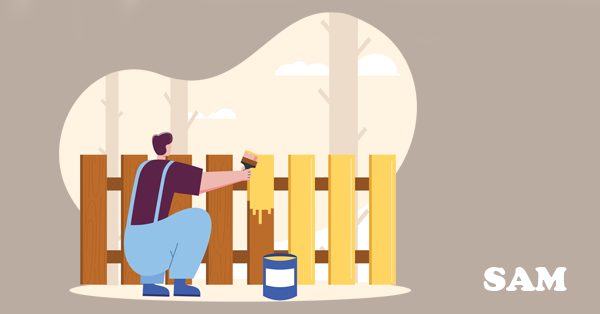
Can a Neighbour Paint My Fence Without Permission?

Selling or Transferring Property After a Divorce: A Conveyancing Guide

Can I Sue the Previous Owner for Property Misrepresentation?
Share of Freehold Nightmare: What Happens When Co-Owners Disagree?




Do I Have Property Rights Over My Partner’s House?
TOLATA Claims: Resolving Property Ownership Disputes

Nightmare Neighbour? How to Stop Disruptive Building Work
Can a neighbour build a shed or pergola against your fence?