A young couple cohabiting together
Do you need help?
We offer a variety agreements for joint owners looking to protect their interest in a property. We can even help if there is now a dispute.

Give us a call on 0333 344 3234 or click to ask a question.
 

Cohabitation Agreement is a Living Together Agreement

Last Updated: 19/04/2022
328
6 min read
A cohabitation agreement is a legal document drawn up between joint owners of property and it is often signed as a deed in front of witnesses. It will generally deal with three principal areas:

  • who owns and owes what at the time of the agreement, and in what proportions;
  • what financial arrangements you have decided to make while you are living together; and
  • how property, assets and income should be divided if you should split up.

Where the agreement is properly drawn up, the terms are reasonable, and each of you has had separate, independent legal advice on its effect, a court is more likely to uphold the agreement in the event of a dispute. It can also be prudent to include provisions that address potential future events, e.g. the needs of any future children (family law is costly).

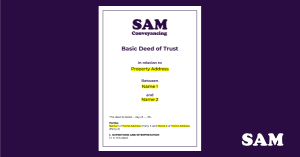
Joint owners often get a Deed of Trust which protects their beneficial interest, however it falls short on protecting the living arrangements between the joint owners. We can even draft a cohabitation agreement online.

The cost of a cohabitation agreement ranges from £700 to £3,000.

The more complex and time consuming to draft the agreement, the more expensive it'll be.

When should I draft an agreement?

You can make a cohabitation property agreement at any time, whether you are about to start living together or if you have been doing so for many years. Your cohabitation agreement lawyer can help you negotiate this agreement and can write it down in a way that it is likely to be respected by the court in case there is ever a dispute about it. You may also seek the assistance of a mediator to help the two of you talk about the potential terms of an agreement, or work out what should happen using collaborative law.

What could be included in a cohabitation contract?

Your shared home
It is important to record how this is owned, and whether there has been any separate agreement or promise that isn’t currently reflected in the legal documents. Who is paying the mortgage? If there are any endowment policies or other savings arrangements linked to a mortgage, what contributions are being made to those and how will they be dealt with if you split up? Are you going to insure each other’s lives? Your family lawyer may need to advise you about the implications of arrangements regarding your shared home as this is usually the most complicated area for people living together.

Money and paying bills
Many people find it convenient to have a joint bank account when they live together but need to decide what contributions they are going to make to that account. Will the contributions be equal and if not, will you consider the money in the joint account to be equally owned? What will the joint account be used for and when should your personal accounts be used instead? If you are not using a joint account, who will pay which of the household bills and will this be considered an equivalent contribution to something else? What about credit cards and debts?

Pensions
Often overlooked, pensions sometimes give you the opportunity to make provision for loved ones. You may wish, for example, to agree nominations for death-in-service benefits.

Personal possessions
You should consider who owns and/or will keep items such as furniture and cars. It may be worth setting down now any rules about ownership of important things or a way to sort out any disagreements about them in the event of a separation, for example, each of you picking in turn from a list of items.

Children
Although not legally binding, it is worthwhile thinking about whether you might like to provide for any children over and above the minimum expected by the child support system in the event of your separation (e.g. in respect of school or university fees), and to set down some expectations about how children would be cared for if you were to live apart.


Frequently Asked Questions
Why
DoT
Law
What
Cost
Andrew Boast of Sam Conveyancing
Written by:

Andrew Boast FMAAT is a qualified accountant, conveyancing specialist and author with over 25 years of experience in the UK property sector. Since beginning his career in 2000 within established SRA and CLC-regulated conveyancing solicitor firms, Andrew has overseen the legal journeys of more than 75,000 clients.

He is the author of the property guide 'How to Buy a House Without Killing Anyone' and a frequent contributor to mainstream UK media on legislative updates, property law, first-time buyer guides, conveyancing best practices, and stamp duty changes. Andrew specialises in resolving complex title issues, property conflict disputes, and property tax options, streamlining the enquiry process to reduce transaction times and maintaining a client-friendly focus.

Caragh Bailey, Digital Marketing Manager
Reviewed by:

Caragh Bailey is a Lead Property Content Specialist at SAM Conveyancing, having joined the firm in 2020. With a portfolio of over 150 technical conveyancing, house survey and mortgage guides, she has become a primary authority on the end-to-end sale and purchase process.

Caragh specialises in complex legal workflows, including Help to Buy redemptions, equity transfers, shared ownership structures, trust deeds for tax planning, and joint ownership disputes. Her expertise extends to leasehold reform and RICS home surveys, where she provides clear, factual guidance on independent legal advice for specialist mortgage products and intricate ownership structures.


People also search for

Declaration of Trust

Declaration of Trust

16/06/2025
6,524
What is a deed of trust on a property?

What is a deed of trust on a property?

11/12/2024
15,348
Can a Jointly Owned Property Be Sold By One Owner?

Can a Jointly Owned Property Be Sold By One Owner?

18/11/2024
28,025