Full Structural Survey: Costs, Coverage & When to Get One

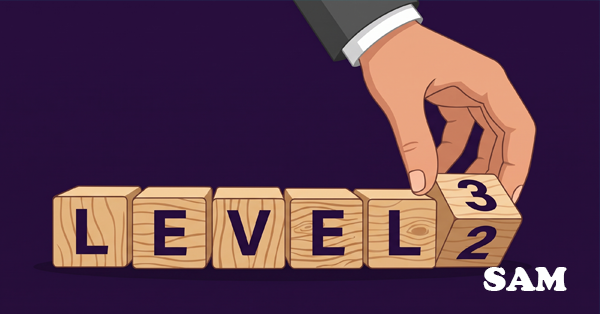
When buying a property, it's important to understand its condition before you commit to the purchase. A full structural survey, often referred to as a RICS Home Survey Level 3, is the most comprehensive type of RICS home survey. It provides a detailed assessment of the property's construction and condition, making it particularly useful for older, unusual or significantly altered homes.
The cost of a full structural survey starts from £400 EXC VAT. Although it costs more than a Level 2 survey, it can help you identify potential defects, understand any necessary repairs and decide whether further investigations are needed before you buy.
- A full structural survey is the most comprehensive RICS home survey: It provides a detailed assessment of a property's construction and condition.
- It is particularly useful for older, unusual or altered properties: It can help identify defects and areas that need further investigation before you buy.
- The cost depends on the property and the inspection required: Size, age, location, value and complexity can all affect the quote.
- The survey does not include specialist testing or a valuation: Further investigations may be needed if the surveyor identifies concerns.
- Read the report carefully before committing to the purchase: Follow up on recommended investigations and obtain repair quotes where necessary.
Want to know more? Read our guides to structural movement and subsidence, load-bearing walls and chimney breast removal to understand some of the issues a survey may identify.
What is a full structural survey?
A Full Structural Survey, commonly known as a RICS Level 3 Building Survey, is the most comprehensive of the three RICS home survey levels.
It provides an in-depth inspection of a property's condition, covering accessible parts of the building, including the roof, walls, floors and other structural elements. It can identify significant defects and areas that may require further investigation.
It's important to understand the difference between a RICS Level 2 Home Survey and a Level 3 Building Survey. A Level 2 survey is generally suitable for conventional properties in reasonable condition, while a Level 3 survey provides a more detailed assessment of the property's construction, condition and defects. A Level 3 survey usually costs more because it involves a more extensive inspection and report.
A structural engineer's report may be needed when a specific structural issue requires further investigation, such as suspected structural movement or subsidence. It may also be required for building projects involving structural alterations, such as chimney breast removal or removing a load-bearing wall.
Unlike a general property survey, a structural engineer's report focuses on a particular structural concern, providing specialist assessment and, where appropriate, recommendations for remedial work. Your surveyor may recommend consulting a structural engineer if further investigation is needed.
RICS vs RPSA: choosing your surveyor
Both RICS (Royal Institution of Chartered Surveyors) and RPSA (Residential Property Surveyors Association) specialise in property surveying, but there are key differences.
RICS is internationally recognised for its rigorous standards and strict code of ethics, and its stringent accreditation is often seen as the industry benchmark for property surveys and assessments.
SAM Conveyancing exclusively works with RICS-accredited surveyors who are on hand to help you with your house survey.
- We offer RICS Level 2 or 3 Home Surveys.
- National coverage with local RICS surveyors.
- Same week availability.
- Reports delivered within 5 working days.

How much does a full structural survey cost?
As an indicative guide, you can expect to pay around £550 to £1,500 or more for a RICS Level 3 Building Survey, depending on the property's value, size, age, location and complexity. This investment can help you identify potential defects and understand possible repair costs before committing to the purchase.
The following table provides an indicative guide to RICS Home Survey Level 3 (full structural survey) costs based on property value in 2026. Actual quotes will vary depending on the property's size, age, condition, location and complexity, as well as the surveyor you choose. Check whether VAT is included when comparing quotes.
Property Value | Indicative Cost (RICS Level 3) |
|---|---|
Property Value £100,000 to £249,999 | Indicative Cost (RICS Level 3) £630 - £800 |
Property Value £250,000 to £349,999 | Indicative Cost (RICS Level 3) £800 - £900 |
Property Value £350,000 to £499,999 | Indicative Cost (RICS Level 3) £900 - £1,100 |
Property Value £500,000 to £1,000,000 | Indicative Cost (RICS Level 3) £1,000 - £1,500 |
Property Value Over £1,000,000 | Indicative Cost (RICS Level 3) Bespoke quote required |
What influences the cost of a full structural survey?
- Property Value: Higher-value properties may attract higher survey fees because the potential liability and level of professional indemnity insurance required can influence the surveyor's pricing.
- Property Size: Larger properties naturally take longer to inspect, increasing the time and resources required by the surveyor.
- Property Location: Surveyors' fees can vary regionally due to local market demand, cost of living, and the density of available surveyors.
- Property Age & Type: Older or unusually constructed properties often require more in-depth investigation due to their complex nature or potential for hidden issues, which can increase the survey's cost.
- Surveyor's Travel Distance: While often a minor factor for local surveyors, travel distances to remote properties can sometimes incur additional charges.
- Surveyor’s Expertise: Highly experienced and reputable RICS surveyors, particularly those with specialist knowledge for unique properties, may command higher fees. When you book a survey with us, you know your surveyor has been vetted and approved for inclusion on our panel.
It's important to note that a RICS Level 3 Building Survey typically does not include a property valuation within its standard cost. A separate valuation can usually be arranged at an additional fee, independent of any mortgage lender's valuation.
In our recent survey, 16% of homeowners found defects; including 2% who were able to pull out of a bad purchase, 7% who were able to negotiate a better price, and sadly, 7% of homeowners who did not get a survey and discovered defects after the purchase.
12 of the 39 who remembered how much these defects cost to remedy spent over £5,000
Don't burn your money, book a survey.

Full structural survey cost by location
Location | What Affects the Cost? | Indicative Survey Cost |
|---|---|---|
Location London | What Affects the Cost? As the UK's most expensive property market, full structural survey prices in London are generally higher. This is due to high property values impacting surveyor indemnity insurance and a demand for services. However, a larger pool of RICS surveyors can sometimes lead to more competitive rates. | Indicative Survey Cost £650 - £800+ |
Location South-West England | What Affects the Cost? Despite average house prices being lower than in London, full structural survey costs here can be more expensive due to a relative shortage of local RICS surveyors. The region also features many older, unique, or rural properties that require more in-depth assessment. | Indicative Survey Cost £700 - £900+ |
Location South-East England | What Affects the Cost? Similar to London, this region has higher average property values, influencing full structural survey prices. While there's a good number of surveyors, the prevalence of larger, older, and more unique properties (like period cottages and farmhouses) often necessitates a more detailed Level 3 survey. | Indicative Survey Cost £650 - £850+ |
Location Midlands | What Affects the Cost? The Midlands generally sees more competitive full structural survey costs due to comparatively lower average property prices. While many properties might be newer and suitable for a Level 2 Home Survey, the older housing stock and fewer surveyors in some areas can still affect availability and cost. | Indicative Survey Cost £550 - £750+ |
Location North | What Affects the Cost? Northern regions typically offer some of the more affordable full structural survey prices, given lower average house prices. However, the diverse range of property ages and styles, combined with a potentially smaller pool of local RICS surveyors in certain areas, means costs can still vary for a detailed Level 3 inspection. | Indicative Survey Cost £550 - £750+ |
When is a full structural survey recommended?
A full structural survey is not required for every property purchase, but it can be particularly useful when buying an older, unusual or altered building, or one with visible signs of defects. A detailed assessment can help you understand the property's condition, identify potential problems, and determine whether further investigation or repairs may be needed.
While a RICS Level 2 Home Survey may be suitable for conventional properties in reasonable condition, a Level 3 survey may be more appropriate in the following circumstances:
Unusual Construction
Properties built using unconventional construction methods or materials present unique challenges that a standard survey might not fully address. These can include homes with:
- Thatched roofs: Requiring specialist knowledge for assessment and maintenance.
- Timber frames: Which behave differently from traditional brick and require specific expertise.
- Non-standard construction: Such as pre-fabricated concrete (e.g., Airey, Woolaway, Reema homes), which can be prone to specific defects like carbonation or spalling.
- Unique or experimental materials: That may have unknown long-term performance issues.
For these properties, a full structural survey is essential. It ensures that a surveyor with specialist knowledge assesses the integrity of these elements, identifies any vulnerabilities, and advises on their maintenance requirements or potential future issues.
This detailed insight could protect you from unexpected, costly repairs associated with non-traditional builds.
What does a RICS Level 3 Building Survey include?
Every property is different, but a typical RICS Level 3 Building Survey includes the following elements:
- Thorough inspection: A detailed visual inspection of the property, including accessible parts of the roof, chimneys, walls, floors, ceilings and outbuildings. The inspection is more extensive than a Level 2 Home Survey, with greater attention to the property's construction, materials and condition.
- Defect identification: Clear identification of major and minor defects, including structural movement, damp, timber defects (such as rot or woodworm), and issues with services like plumbing and electrics, although the surveyor does not carry out specialist testing of service installations.
- Condition ratings: The report uses condition ratings to indicate the seriousness of defects and help you understand which issues require urgent attention, repair or further investigation.
- Repair advice: Practical advice on necessary repairs and ongoing maintenance, often including advice on repair options and recommendations for further investigation where appropriate. Estimated repair costs may be available, upon agreement, as an additional service.
- Construction materials: A description of the property's construction type and materials used, which can be particularly useful for older or non-standard homes.
- Energy efficiency: Commentary on the property's energy efficiency (though not a formal EPC).
A property valuation is not included within a Level 3 Survey, but we can arrange one for you at an extra cost.
Call or send us a message to request a callback or an email answering your queries about our surveys.
Our UK-based survey team can help you choose the right level of home survey for your property, at no extra charge.
There's no obligation to instruct. We'll make sure you understand your options and provide a free, fixed-fee quote for our best-value survey to meet your needs.
No robots, no call centres. Property challenges solved.

The full structural survey process
Once you've arranged a full structural survey, the process usually involves an inspection of the property followed by a detailed written report. Here's what to expect:
Booking your survey
You'll need to provide details about the property, including its address, age and any known issues. Tell your surveyor about any particular concerns, such as cracks, damp, previous alterations or planned renovation work. This helps them understand what you want the survey to cover.
The property inspection
The surveyor visits the property and carries out a detailed visual inspection of its accessible areas, inside and out. They assess the building's construction and condition, look for visible defects and consider the potential risks associated with areas they cannot inspect. The extent of the inspection will depend on access and what is safe and practical on the day.
Receiving your survey report
After the inspection, the surveyor prepares a report explaining the property's condition and highlighting any defects or areas of concern. It should set out the significance of the identified problems, the recommended repairs, and any further investigations that may be needed.
Reviewing the findings
Read the report carefully and ask your surveyor to explain anything you don't understand. If the report recommends further investigations, such as a structural engineer's assessment or specialist damp inspection, consider arranging these before you commit to the purchase. You may also want to obtain repair quotes to understand the potential costs.
Expert Tip: Address concerns early
Don't leave it until after exchange to investigate concerns raised in your survey report. If your surveyor recommends further investigations, arrange them as soon as possible so you have a clearer understanding of the property's condition and any potential repair costs before you commit to buying.
Chartered Surveyor, RICS Registered Valuer
What are the limitations of a full structural survey?
Although a full structural survey, formally known as a RICS Home Survey Level 3, is the most comprehensive RICS home survey, it is not an exhaustive investigation of every part of a property. The surveyor's findings are based on what they can see and reasonably access during the inspection.
There are some important limitations to understand:
- Hidden defects: Problems concealed behind walls, beneath floors or within the building's structure may not be visible during a visual inspection. The surveyor may highlight the risk of hidden defects and recommend further investigation.
- Restricted access: The surveyor cannot normally move heavy furniture, lift fitted floor coverings or force open secured panels. Areas that cannot be inspected should be identified in the report, along with any associated risks.
- Services are not specialist-tested: The surveyor may observe visible services, such as plumbing and electrics, in normal operation where possible, but does not carry out specialist tests to establish their safety or efficiency.
- Specialist investigations may be needed: If the survey identifies signs of a particular problem, such as suspected subsidence, timber decay or a defect in the electrical installation, you may need a specialist assessment before proceeding.
A full structural survey is therefore not a guarantee against future repair costs or a substitute for specialist testing. If the report recommends further investigations, it is important to understand the findings before exchanging contracts.
How long will it take?
A full structural survey takes longer than a less detailed home survey because the surveyor needs to assess the property's construction, condition and potential defects in greater detail. The time required will depend on factors such as the property's size, age, layout, construction and condition.
It's important to distinguish between the time spent inspecting the property and the time taken to prepare the report. The inspection takes place at the property, while the surveyor needs additional time afterwards to assess their findings and produce the written report. At SAM Conveyancing, our reports are delivered within 5 working days.
When booking your survey, ask the surveyor how long the inspection is expected to take and when you should receive the report. If you have an important purchase deadline, make this clear when arranging the appointment.
What to do when booking your survey
Before arranging your survey, use this checklist to help you choose the right inspection and get the most from the report.
- Consider the property's age, construction, condition and any previous alterations to decide whether a Level 3 survey is appropriate.
- Tell your surveyor about any known problems or specific concerns, such as cracks, damp, roof defects or signs of structural movement.
- Check your surveyor's qualifications, professional membership and experience with similar properties.
- Ask for a written quote and check exactly what the survey includes, including any optional services or additional fees.
- Arrange access to the property and make sure the surveyor can inspect as many areas as reasonably possible.
- Read the report carefully and ask your surveyor to explain any defects, risks or recommendations you are unsure about.
- Arrange any recommended specialist investigations and obtain repair quotes where necessary before committing to the purchase.
Get the full picture before you buy
Buying an older, unusual or altered property? A full structural survey can help you understand its condition, identify potential problems and plan for any repairs before you commit.
SAM Conveyancing can help you arrange a RICS Level 3 Building Survey through our panel of surveyors, with fixed fees and no hidden costs.
Frequently asked questions

Andrew Boast FMAAT is a qualified accountant, conveyancing specialist and author with over 25 years of experience in the UK property sector. Since beginning his career in 2000 within established SRA and CLC-regulated conveyancing solicitor firms, Andrew has overseen the legal journeys of more than 75,000 clients.
He is the self-published author of the first-time buyer guide: How to Buy a House Without Killing Anyone, and a frequent contributor to mainstream UK media on legislative updates, property law, first-time buyer guides, conveyancing best practices, and stamp duty changes. Andrew specialises in resolving complex title issues, property conflict disputes, and property tax options, streamlining the enquiry process to reduce transaction times and maintaining a client-friendly focus.

Amanda Ambler is a highly accomplished conveyancing specialist with over 15 years of dedicated experience across residential property law, legal compliance, and practice management. Having held senior roles, including Head of Legal Practice and Head of Conveyancing at established UK law firms, Amanda possesses a profound, hands-on understanding of the technical intricacies of the property market.
As the designated Legal Content Reviewer for SAM Conveyancing, Amanda ensures that every guide, legal update, and resource published meets the absolute highest standards of accuracy, regulatory compliance, and factual integrity. Her rigorous review process guarantees that complex property legislation and industry processes are communicated clearly, transparently, and safely for home buyers and sellers alike.