Energy Performance (EPC) Certificate

Proposals which would have required landlords with tenancies starting after April 2025 to have a minimum rating of C are due to be delayed, with no new deadline confirmed, to ease pressure on the private rental sector. While this helps landlords who may have struggled to improve energy efficiency under rocketing mortgage costs, this delays help for renters who are paying high rents, high energy costs and struggling to save for a deposit of their own.
According to the Financial Times, the government intend to carry out a wider reform of the EPC system as soon as possible
An Energy Performance Certificate (EPC), tells you how energy efficient a building is. It's essential to possess one if you're looking to sell a property - see the block below. You can opt out of the EPC Registers if you do not want the performance of your property to be publicly available.
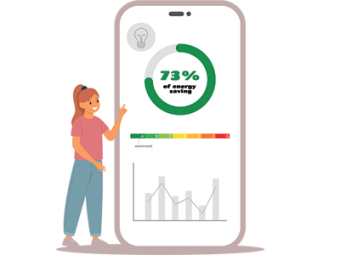
Recognisable by the multi-coloured diagram which always appears on it, it works according to a scale, where A is very efficient and G is very inefficient. Since 1 April 2018, the minimum energy efficiency standard for domestic buildings was set at 'E' EPC rating.
The ratings make it much easier to compare the energy efficiency of one building with another, particularly of the same type, and helps potential buyers to get an idea what the fuel costs might be as part of their decision on whether to proceed or not.
Get an EPC certificate for my house
You have to have an Energy Performance Certificate if you are looking to offer a domestic or commercial building for sale or rent.
If you fail to do this, for a residential property, you face a £200 penalty, and this recurs monthly until you have an EPC in place. For commercial properties, fines start at £500 and rise to £5,000 depending on the rateable value.
We have conveyancing solicitors who specialise in helping sellers during the sale of their property. It often helps to instruct your solicitor before you find a buyer so you can get your paperwork in order before the process gets underway. Our quotes are competitively priced and we offer all our sellers a No Sale No Fee protection.
What does an EPC contain?
The energy performance certificate includes:
- Energy efficiency diagram;
- Estimated energy use, carbon dioxide emissions, lighting, heating and hot water
- Total floor area (m2)
- recommendation report listing cost effective and other measures to improve the energy rating of the building (such as low and zero carbon generating systems); and
- Efficiency rating if recommendations are implemented.
How much does an EPC Certificate cost?
Energy Performance Certificate cost between £60 and £120 INC VAT depending on the:
- location of the property (some locations there are fewer DEA's and as such the costs are more);
- size of the property.
It is worth shopping around for different quotes as the competition for business can be high.
Should you order your EPC Certificate through your estate agent?
Most high street and online estate agents include the EPC as part of their offering. Some charge an additional fee for organising this for you. If they charge a fee, then shop around as you can often find a cheaper price by going direct.
What changes can you make to improve your EPC rating?
The types of changes depend on the type of property you have; however, here are some recommendations that your Domestic Energy Assessor may make:
- Internal or external wall insulation such as Cavity wall insulation;
- Low energy lighting for all fixed outlets;
- Hot water cylinder thermostat;
- Replace boiler with a Band A condensing boiler, or a heat pump;
- Replace single-glazed windows with low-E double glazing;
- Heating controls such as a room thermostat;
- Solar water heating;
- Solar photovoltaics panels, 25% of roof area;
- Room-in-roof insulation;
- Floor insulation (for a suspended floor);

Andrew Boast FMAAT is a qualified accountant, conveyancing specialist and author with over 25 years of experience in the UK property sector. Since beginning his career in 2000 within established SRA and CLC-regulated conveyancing solicitor firms, Andrew has overseen the legal journeys of more than 75,000 clients.
He is the self-published author of the first-time buyer guide: How to Buy a House Without Killing Anyone, and a frequent contributor to mainstream UK media on legislative updates, property law, first-time buyer guides, conveyancing best practices, and stamp duty changes. Andrew specialises in resolving complex title issues, property conflict disputes, and property tax options, streamlining the enquiry process to reduce transaction times and maintaining a client-friendly focus.

Amanda Ambler is a highly accomplished conveyancing specialist with over 15 years of dedicated experience across residential property law, legal compliance, and practice management. Having held senior roles, including Head of Legal Practice and Head of Conveyancing at established UK law firms, Amanda possesses a profound, hands-on understanding of the technical intricacies of the property market.
As the designated Legal Content Reviewer for SAM Conveyancing, Amanda ensures that every guide, legal update, and resource published meets the absolute highest standards of accuracy, regulatory compliance, and factual integrity. Her rigorous review process guarantees that complex property legislation and industry processes are communicated clearly, transparently, and safely for home buyers and sellers alike.