
Everything You Need to Know Before Buying a Conservation Property

Buying a house in a conservation area is an exciting milestone that lets you own a piece of unique local history and enjoy beautifully preserved streetscapes. However, because these neighbourhoods carry special protections, standard permitted development rules don't apply. This means routine updates, such as replacing timber sash windows, require council approval.
You don't need to navigate these rules alone. Our specialist conveyancers review historical planning records, check local authority searches , and uncover any active Article 4 directions so you can move into your character home with complete peace of mind.
- Conservation areas have stricter planning rules: External alterations may require council approval, especially where an Article 4 Direction applies.
- Unauthorised works can become your liability: Planning breaches attach to the property, so check that previous extensions, windows and other changes had the correct consent.
- Budget for specialist materials and repairs: Conservation properties can require more expensive materials, skilled trades, and ongoing maintenance.
- Check before making changes: Get the correct planning permission, tree consent or other approval before altering a conservation-area property.
What living in a conservation area means for homeowners
A conservation area is a designated zone created to preserve and enhance the unique architectural or historic character of a neighbourhood. Established under the Planning (Listed Buildings and Conservation Areas) Act 1990, these protections focus on preserving the overall streetscape, including building frontages, rooflines, green spaces, and mature trees, rather than just individual interior features.
Across England, there are currently nearly 10,000 designated conservation areas. While living in one offers protected period charm and strong local property appeal, it also means standard homeowner rights operate under extra legal scrutiny.
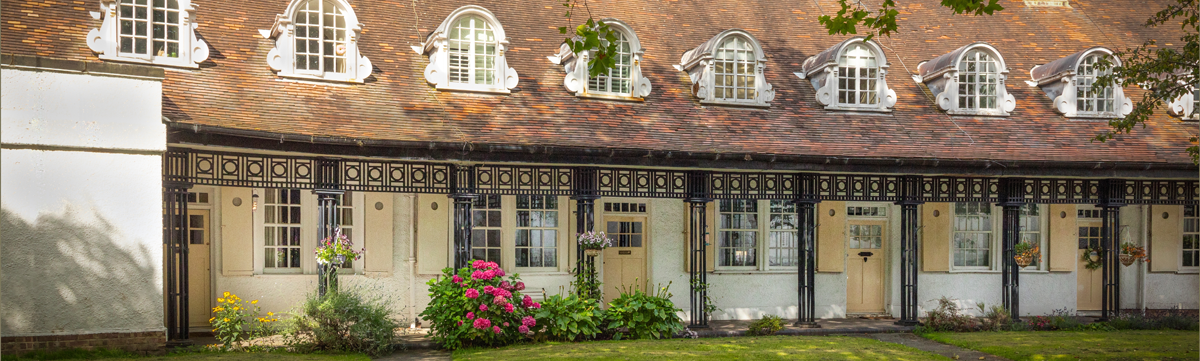
How planning rules change in a conservation area
In standard UK residential areas, many minor alterations fall under Permitted Development rights, allowing work without formal planning permission. However, in a conservation area, national law restricts many of these automatic rights.
To tighten controls further, local planning authorities frequently issue an Article 4 direction. This legal mechanism withdraws specific Permitted Development rights for designated streets or properties, requiring explicit planning approval for alterations that would normally be permitted.
Expert Tip: Never assume 'minor' cosmetic changes carried out by a seller were legal
Sellers may have made alterations to the property that go against planning permissions. An Article 4 Direction can restrict work as minor as painting a brick facade or even replacing a front door. During the conveyancing search process, your conveyancer must cross-reference local council records (forms LLC1 and CON29) to ensure all previous modifications received proper planning consent. This protects you from inheriting an expensive enforcement notice.
Key alterations that always demand council approval:
- Demolition: Partial or full demolition of unlisted structures, front walls, or historic outbuildings.
- Exterior cladding and materials: Applying render, stone, timber cladding or artificial finishes to exterior walls.
- Extensions: Side extensions or larger multi-storey rear extensions that go beyond strict conservation size caps.
- Tree works: Cutting down, topping, or lopping protected trees before the 6-week council notification window elapses.
Partner & Head of Conveyancing
Conservation area rules: What is allowed and what needs consent?
Under national planning legislation, standard Permitted Development rights are restricted to protect the historic streetscape. To tighten these controls further, local planning authorities frequently issue an Article 4 Direction.
As a rule of thumb, interior updates are generally free from conservation rules, unless the property is also a Listed Building. However, any exterior change visible from the public street faces strict legal oversight.
What is usually allowed?
- Internal decorating: Remodeling kitchens, bathrooms, or redecorating interior walls.
- Like-for-like maintenance: Minor continuous repair work using identical traitional materials.
- Rear internal layout changes: Reconfiguring internal partition walls that do not impact external elevations.
What requires council approval or planning permission?
- Replacing windows and doors: Swapping original timber sash windows for modern uPVC alternatives or altering original door profiles.
- Wall finishes and exterior cladding:Applying render, pebble-dash, stone, timber cladding, or painting unpainted brickwork.
- Roofline changes and solar panels: Adding roof dormers, altering roof pitches, or mounting prominent solar panels visible from the main road.
- Demolishing boundaries: Lowering, removing, or altering front boundary walls, historic brick piers, gates, or fences.
- Tree pruning or removal: Felling, topping, or lopping any tree with a trunk diameter exceeding 75mm (measured 1.5m above ground level).
Standard property vs conservation area property
Understanding what you can, and can't, change without local council approval is essential before making an offer or starting home improvements.
Home alteration | Standard permitted development | Conservation area controls |
|---|---|---|
Window & door replacements | Yes – Standard uPVC or double-glazed replacements permitted without planning permission. | Restricted – Strict timber frame/style matching required; Article 4 directions usually require full planning consent. |
Exterior cladding & render | Yes – Cladding, rendering, or stone facing permitted under standard development rights. | No – Cladding, timber, or artificial stone facing prohibited without formal planning consent. |
Extensions & outbuildings | Yes – Single-storey rear extensions up to 3m (attached) or 4m (detached) permitted. | Restricted – Strict size limits apply; side extensions and multi-storey rear extensions always require planning permission. |
Trees & landscaping | Yes – Pruning or removal of trees on private land permitted without council notification. | Notice required – Six weeks' written notice required for works on any tree with a trunk diameter over 75mm. |
Roof modifications & solar panels | Yes – Dormers and roof alterations allowed under standard permitted development. | Restricted – Roof alterations facing a highway restricted; visible solar panels often require planning approval. |
How the legal and planning processes protect you
During the conveyancing process for a home in a conservation area, your solicitor conducts deep-dive local searches and historical checks to ensure you don't inherit unapproved works or hidden liabilities:
- LLC1 Search Confirms whether the property falls within a designated conservation area boundary.
- CON29 Search Uncovers active Article 4 directions, planning history, and Tree Preservation Orders.
- Past works audit: Cross-checks past property modifications against local council planning records.
If unapproved alterations are discovered, your conveyancer may require the seller to resolve the issue before exchange. Depending on the circumstances, this could involve:
- Planning breach Indemnity policy: An insurance policy designed to protect against certain financial losses arising from enforcement action over an existing planning breach. It does not make the unauthorised work lawful or prevent the council from taking enforcement action.
- Retrospective planning approval: This is an application to the local planning authority asking for permission for work that has already been carried out. If approved, the work is regularised from a planning perspective. However, this route can expose the breach to the council and is therefore not always the preferred option.
Your conveyancer will advise on the most appropriate solution based on the nature and age of the works, the property's planning history and the requirements of your mortgage lender.
Expert Tip: Understand the risk of planning enforcement
Unlike standard properties, where planning breaches often have time limits, local councils can take enforcement action against a future owner. Because enforcement attaches to the land, not the person who did the work, you could be forced to replace modern uPVC windows with expensive timber sashes at your own expense, years after buying.
CEO of SAM Conveyancing
Budgeting for planning fees and approved materials
One of the biggest surprises for homeowners in conservation areas is that maintaining the character of a property can come with a higher price tag. If you are buying a period home or planning to make external alterations, you may need to budget for specialist materials, skilled tradespeople, and potentially more detailed planning work than you would for a standard property:
- Specialist materials and skilled trades: You may need to use materials that match the property's existing character. These can be more expensive than modern alternatives, and you may also need a specialist contractor experienced in working with historic buildings.
- Planning and professional fees: Depending on your project, you may need to budget for planning application fees, architectural drawings, planning consultants, or a heritage statement. If an Article 4 Direction applies to your property, you may also need planning permission for work that would normally fall under permitted development rights.
- Future maintenance: Traditional features can require specialist maintenance, so it's worth considering these ongoing costs when budgeting for a conservation-area property. Getting realistic quotes from contractors familiar with similar properties and checking what permissions you need from the local planning authority is always a good idea.
What happens when you ignore conservation rules?
When Amaan Properties Limited installed modern uPVC windows at 68 Fishergate in Preston, it breached the strict heritage protections of the Fishergate Hill Conservation Area. There was an Article 4 Direction in place that removed standard permitted development rights for replacing windows. Therefore, Preston City Council served a formal enforcement notice in May 2024, ordering the owner to restore traditional timber sash windows within six months.
The owner ignored the notice, making no attempt to appeal, and refused to engage with officers. Consequently, the council prosecuted. At Blackburn Magistrates' Court in March 2026, the case was proven in the owner's absence, resulting in £7,000 in fines, victim surcharges, and council legal costs. Crucially, court penalties do not erase the planning breach; the owner remains legally required to fund the full timber replacement at their own expense.
Key takeaways for property owners:
- Article 4 removes automatic approval: In conservation areas with Article 4 Directions, routine alterations like replacing windows or doors require explicit planning permission.
- Ignoring enforcement is a criminal offence: Breaching a planning notice can lead straight to Magistrates' Court prosecution, criminal convictions, and severe fines.
- Court fines don't fix the breach: Paying court-ordered penalties does not clear the issue; you still have to pay to undo the unauthorised work.
- Liability attaches to the building: Local councils enforce against the current owner, meaning buyer conveyancing checks must verify that all past alterations had proper approval.
Source: Preston City Council
How long does it take to make changes to a conservation property?
Planning and conveyancing can take time, so if you are buying a home in a conservation area or planning alterations to one, don't leave everything until the last minute. The exact timeframe will depend on the work involved, the local council, and whether additional permissions or consents are required.
Process | Typical timeframe | What to know |
|---|---|---|
Local authority search | Varies by council | Your conveyancer orders this when you buy a property. Turnaround times vary between councils, so allow time for potential delays. |
Section 211 tree notice | 6 weeks | Certain tree works in a conservation area require six weeks' written notice, giving the council time to consider whether to make a Tree Preservation Order (TPO). |
Householder planning application | 8 weeks | In England, a valid application should normally be decided within 8 weeks. Complex applications or agreed extensions can take longer. |
Expert Tip: Consider pre-application advice for alterations
If you're planning a significant alteration, think about asking your local planning authority whether it offers a pre-application advice service. This can help identify potential issues with your proposal before submitting a formal application. Some councils charge a fee, and advice doesn't guarantee approval, but addressing problems early could help avoid costly changes or delays.
Partner & Conveyancing Solicitor
The ultimate conservation area checklist
Buying or owning a property in a conservation area doesn't have to be complicated, but it's important to understand the restrictions and potential costs before you buy or start making changes. Use this checklist to make sure you've covered the key legal, planning and practical considerations:
- Commission Local Authority Searches (LLC1 & CON29): Ask your conveyancer to confirm whether the property is in a conservation area and check for relevant planning restrictions, including any Article 4 Directions.
- Check previous alterations: Ask the seller for planning permissions, building regulations approvals, lawful development certificates, or relevant indemnity policies for previous alterations, such as replacement windows, extensions, or roof work.
- Review the EPCand heating systems: Older properties can be harder and more expensive to heat. Check the property's energy efficiency and consider the cost of appropriate upgrades, such as secondary glazing or internal wall insulation.
- Check before carrying out tree work: Before pruning or removing a tree, check whether it is protected by a Tree Preservation Order (TPO) or whether a Section 211 notice is required because the property is in a conservation area. Don't start work until you've confirmed what rules apply.
- Use experienced local specialists:Choose conveyancers, architects and contractors who understand conservation areas and have experience working with historic or traditionally constructed properties.
Don't hand over your deposit without expert legal protection
Buying a character home shouldn't mean inheriting a seller's costly planning mistakes. Because local councils enforce breaches against the current owner, unapproved past alterations can quickly become your financial headache.
Our specialist conveyancers run deep-dive local searches to verify every past modification, protect your deposit, and secure your move.
Frequently asked questions

Andrew Boast FMAAT is a qualified accountant, conveyancing specialist and author with over 25 years of experience in the UK property sector. Since beginning his career in 2000 within established SRA and CLC-regulated conveyancing solicitor firms, Andrew has overseen the legal journeys of more than 75,000 clients.
He is the self-published author of the first-time buyer guide: How to Buy a House Without Killing Anyone, and a frequent contributor to mainstream UK media on legislative updates, property law, first-time buyer guides, conveyancing best practices, and stamp duty changes. Andrew specialises in resolving complex title issues, property conflict disputes, and property tax options, streamlining the enquiry process to reduce transaction times and maintaining a client-friendly focus.

Amanda Ambler is a highly accomplished conveyancing specialist with over 15 years of dedicated experience across residential property law, legal compliance, and practice management. Having held senior roles, including Head of Legal Practice and Head of Conveyancing at established UK law firms, Amanda possesses a profound, hands-on understanding of the technical intricacies of the property market.
As the designated Legal Content Reviewer for SAM Conveyancing, Amanda ensures that every guide, legal update, and resource published meets the absolute highest standards of accuracy, regulatory compliance, and factual integrity. Her rigorous review process guarantees that complex property legislation and industry processes are communicated clearly, transparently, and safely for home buyers and sellers alike.