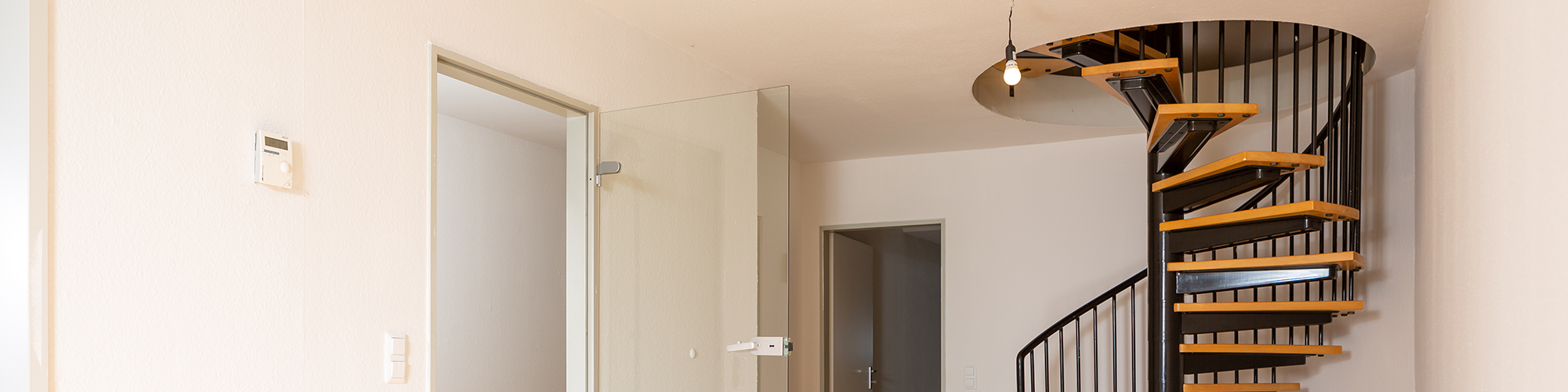
What is the Difference Between a Flat and a Maisonette?

- A maisonette is similar to a flat, with some key differences
- They are often cheaper but come with some disadvantages
- They can be a worth buying as an investment or an affordable first home, especially in urban areas where prices are high
- If you are buying a maisonette, you should get a L2 survey
What makes a property a maisonette?
1. One of multiple, self-contained dwellings in a single building
2. Split across two storeys
3. Accessed by its own front door
What is the difference between a maisonette and an apartment?
Usually, the external front door of a maisonette will open directly onto the street, or a private outdoor staircase which lands on the street. Maisonettes can also come in blocks, like flats, with external walkways which wrap around the building, giving each residence its own private access.
Is a maisonette bigger than a flat?
What are the disadvantages of a maisonette?
Maisonettes are leaseholds and that comes with statutory and contractual terms and obligations, including service charges and limitations on any changes or developments. Older leases are also subject to ground rent.
Some maisonettes come with private outdoor space, while many do not. You will be living in closer proximity with your neighbours than in a house and may experience challenges including noise or even damp caused by leaks from above.
Not all lenders are willing to finance the purchase of a maisonette, however there are plenty of mortgage products available. If buying with a mortgage we recommend you enlist an independent mortgage broker who can present an impartial selection of suitable options and advise on their merits.
Why are maisonettes cheaper than flats?
The upper maisonette is responsible for the second and third storey, the roof, a private balcony and private access stairs. There are no communal areas for a service charge to maintain, so it will be fairly minimal, just enough to cover building insurance and other basic freehold expenses.
Whether you're looking at a flat or a maisonette, be sure to read our guide on Questions to Ask When Viewing a Flat before your viewing.
Do I need a Level 2 HomeBuyer Report on a Maisonette?
Arrange a free consultation with one of our experienced lease extension team on:
- Statutory or Non-Statutory Lease extension.
- Selling a leasehold property with a short lease.
- Extending the lease at the same time as you sell.
- Buying the freehold (collective enfranchisement).

Andrew Boast FMAAT is a qualified accountant, conveyancing specialist and author with over 25 years of experience in the UK property sector. Since beginning his career in 2000 within established SRA and CLC-regulated conveyancing solicitor firms, Andrew has overseen the legal journeys of more than 75,000 clients.
He is the self-published author of the first-time buyer guide: How to Buy a House Without Killing Anyone, and a frequent contributor to mainstream UK media on legislative updates, property law, first-time buyer guides, conveyancing best practices, and stamp duty changes. Andrew specialises in resolving complex title issues, property conflict disputes, and property tax options, streamlining the enquiry process to reduce transaction times and maintaining a client-friendly focus.

Amanda Ambler is a highly accomplished conveyancing specialist with over 15 years of dedicated experience across residential property law, legal compliance, and practice management. Having held senior roles, including Head of Legal Practice and Head of Conveyancing at established UK law firms, Amanda possesses a profound, hands-on understanding of the technical intricacies of the property market.
As the designated Legal Content Reviewer for SAM Conveyancing, Amanda ensures that every guide, legal update, and resource published meets the absolute highest standards of accuracy, regulatory compliance, and factual integrity. Her rigorous review process guarantees that complex property legislation and industry processes are communicated clearly, transparently, and safely for home buyers and sellers alike.