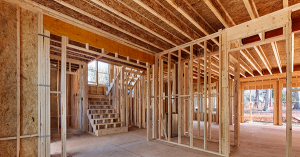
Should I Buy a Modular Construction Home?

If you’ve been scanning your local area for new properties coming onto the market, there’s a good chance you’ll be aware of an increasingly popular option - modular construction homes. Created in a factory and assembled on-site, they offer a path that can save you a lot of time and money.
When you take the modular route, it can cut build times by 30% compared with conventional building techniques, but speed is far from the only reason it’s gaining momentum.
That said, modular homes still raise certain questions for buyers who haven't come across them before. In this article, we look at how the experience differs from a standard house purchase.
- 30% faster build times: Modular homes are constructed off-site in controlled factory settings, virtually eliminating weather delays and shortening on-site assembly.
- Financing and Insurance hurdles: While built to strict UK Building Regulations, modular properties require specialist mortgage lenders, recognised structural warranties (like NHBC), and specific home insurance coverage.
- Specialist logistics and surveys: Success relies on suitable plot access for delivery lorries and cranes, full planning permission, and an experienced RICS surveyor to verify construction quality.
What is a modular construction home & how do they work?
Modular construction homes fall under what the industry calls modern methods of construction, or MMC. Rather than everything being built on the plot from the ground up, the home is made in sections inside a factory, then transported to the site and put together on permanent foundations.
If you’ve bought some land to build a house on, adding a modular home is somewhat different from the usual process. Most of the work is done before anything arrives on site, which is why build times tend to be much shorter.
If you’re buying an existing property which was a modular construction, you’ll still want to use a mortgage broker to find you a suitable mortgage product. Don’t skip the RICS home survey, as a specialist surveyor will know what to look out for in terms of potential defects.
- We offer RICS Level 2 or 3 Home Surveys.
- National coverage with local RICS surveyors.
- Same week availability.
- Reports delivered within 5 working days.

Other things to know:
- Factory-built sections - A modular home is made in individual modules (hence the name) inside a factory, rather than constructed piece by piece on the plot.
- Permanent foundations - Once on site, the modules are fixed together on permanent foundations, so there's nothing temporary about how they sit on the ground.
- Meets UK building regulations - The construction method is different, but the standards aren't. Modular homes have to comply with the same regulations as any other new build.
- Fewer weather-related delays - Building indoors means the British weather has a lot less of a say in how the project runs.
- Quicker to complete - With most of the work finished before the modules arrive, the on-site phase is considerably shorter than a traditional build.
For buyers, the main misconception is that buying modular means temporary or low quality. It doesn't. These are permanent homes built to the same standards as any new build. They’re just built in a much smarter way.
Are there any downsides to buying a modular construction home?
Modular homes have a lot going for them, but like anything in the property market, they're not without their quirks. Before you commit, it's worth knowing where the issues tend to show themselves. This isn’t to put you off buying a modular construction home; it’s simply good prep.
Most buyers work through these things without much trouble. But they're real things to think about, so glossing over them won’t help.
Potential downsides include:
- Not every lender is on board - The mortgage market has caught up a fair bit, but there are still lenders who only deal with traditional builds. It doesn't mean financing is hard to find, just that your options might be narrower.
- Your warranties need to measure up - Lenders tend to want structural warranties from names they recognise, like NHBC. Most modular homes come with these, but it's something to check sooner rather than later.
- Don’t forget about access - Modular homes arrive in large sections on the back of lorries and need cranes to position them. If the plot is tricky to access, that can be a huge problem.
- Reselling can be tricky - Perceptions are improving, but modular homes aren't yet as familiar to buyers as traditional properties. That can make selling it on later a touch more difficult.
- Planning permission is still needed - Dropping a modular home onto a private plot still involves getting planning permission and site prep done properly beforehand.
What do I need to check before I buy a modular construction house?
Buying any property involves working through a checklist of things that need to be verified before you commit. With modular homes, most checks are identical to any house purchase, but there are a few extra details specific to this kind of home.
The main thing here is confirming that the property ticks the boxes for lenders, insurers and local planning authorities. Sorting out as much as you can early tends to save a lot of headaches further down the line.
You need to:
- Confirm the property has a recognised structural warranty, such as from a company like NHBC or an equivalent
- Check that the home meets UK building regulations
- Make sure full planning permission is in place where it's needed
- Verify the land title is clean and properly registered with the Land Registry
- Confirm utilities (water, electricity, drainage) are all connected
- Check whether mainstream lenders will give you a mortgage
- Make sure site access is legally secured and recorded correctly
- Go through any developer guarantees or manufacturer warranties carefully
- Confirm buildings insurance is available for the property.
- Look for any restrictions or covenants attached to the land.
Having the right person in your corner means you can move forward knowing the purchase is legally solid. No matter what kind of home you’re buying, download our helpful moving checklist.
Interested in buying a modular construction home? We’ve got you covered!
Buying a modular home can be a quicker, more affordable way to get your dream property. Having the right people around you makes that process a lot less stressful.
At SAM Conveyancing, we've helped plenty of buyers with purchases outside the traditional mould.
So, if you're weighing it up, get in touch with us today. We're happy to talk it through.
- Fixed, competitive legal fees with no hidden costs.
- Expert conveyancing solicitors with proven local knowledge.
- No Sale, No Fee protection for your transaction. Terms apply.
- On 99% of mortgage lender panels.
- Fast completions.
- We can solve any property challenge.

Frequently Asked Questions

Andrew Boast FMAAT is a qualified accountant, conveyancing specialist and author with over 25 years of experience in the UK property sector. Since beginning his career in 2000 within established SRA and CLC-regulated conveyancing solicitor firms, Andrew has overseen the legal journeys of more than 75,000 clients.
He is the self-published author of the first-time buyer guide: How to Buy a House Without Killing Anyone, and a frequent contributor to mainstream UK media on legislative updates, property law, first-time buyer guides, conveyancing best practices, and stamp duty changes. Andrew specialises in resolving complex title issues, property conflict disputes, and property tax options, streamlining the enquiry process to reduce transaction times and maintaining a client-friendly focus.

Amanda Ambler is a highly accomplished conveyancing specialist with over 15 years of dedicated experience across residential property law, legal compliance, and practice management. Having held senior roles, including Head of Legal Practice and Head of Conveyancing at established UK law firms, Amanda possesses a profound, hands-on understanding of the technical intricacies of the property market.
As the designated Legal Content Reviewer for SAM Conveyancing, Amanda ensures that every guide, legal update, and resource published meets the absolute highest standards of accuracy, regulatory compliance, and factual integrity. Her rigorous review process guarantees that complex property legislation and industry processes are communicated clearly, transparently, and safely for home buyers and sellers alike.