What Is a Serviced Plot? Self-Build Home Insight

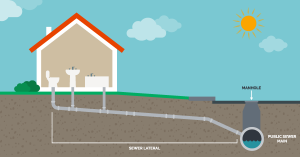
A serviced plot is a plot of land which already has mains services supplied to the land, for example:
- Water
- Sewage
- Electricity
- Gas
- Phone line/Broadband
- Road access
- Planning permission
When you’re building your own home on newly purchased land, one of the first terms you’ll come across is ‘serviced plot’. Not all plots include all services, and some only include 'outline' planning permission. Read on to learn how to navigate a serviced plot purchase.
If you're just starting out on your search for land, you can register an interest in self-building your home.
What is a serviced plot? Are there different types?
A serviced plot is a piece of land that already has utilities such as gas, water, and electricity, as well as infrastructure in place. That means some of the groundwork has been taken care of before you arrive, and you're not starting from square one - and yes, there are different types.
The answer to ‘What is a serviced plot?’ can change from one plot to the next, because there’s a distinction to be made between a fully and partially serviced location. Here’s how they break down:
- A fully serviced plot will have mains water, electricity, gas, broadband, drainage, and already available vehicle access. It means construction can begin.
- A partially serviced plot, on the other hand, will still need some utilities set up after purchase. It matters hugely to your budget.
Gas, broadband infrastructure, and pre-installed utility ducts sometimes come with a plot too, but there's no guarantee. As such, before you commit to buying, you need to find out exactly what's in place. Our article further explains the self-build buying process.
The common pitfalls when buying a serviced plot
As we just covered, "Serviced" on a listing doesn't always mean what you might think it does. Utilities aren't always fully connected, paperwork isn't always available, and responsibilities aren't always as clear as the seller makes them sound.
Plenty of buyers have taken the label at face value, assumed everything was ready to go, and then hit problems the moment they tried to get started on site. Here are just some of the additional headaches you might face.
- Utilities aren't actually connected to the plot boundary, meaning additional work or costs may be required before construction can begin
- Road or access rights are unclear, disputed, or require negotiation with neighbours or the local authority
- Drainage or sewer connections may require extra installation or approval, adding unexpected delays
- Hidden costs can appear for connecting to gas, broadband, or other essential services that weren't included in the initial listing
- Local authority restrictions or conditions may limit the type, size, or style of property you're allowed to build on the plot
You should also check with the developer to ensure the correct procedure is being followed to allow you to benefit from the Community Infrastructure Levy exemption. Beware, if you sell the property, or sell or let out an annexe in it, within three years, then the full levy becomes payable under a 'clawback' agreement.
Finding out about any of these after you've exchanged is a very different situation from finding out before. Know exactly what's included, who's responsible for what's still outstanding, and what planning conditions are attached to the land - before you put pen to paper.
Does your land have an overage agreement?
An overage agreement could give the original seller of the land a right of clawback. You should obtain specialist legal advice if you have an agreement, as obtaining planning permission could trigger a payout to the seller.
Does your land require easements?
If the services to your land cross neighbouring land, you need to make sure the appropriate easements are in place to protect them. Your conveyancing solicitor will check that these are in order during the title check.
Is your road access private or adopted?
If the road to your property is private, the local authority is not responsible for maintaining, repairing or cleaning it. You may find that you are responsible for the road or reliant on your neighbours to maintain it, even if it is a public right of way.
Do I still need planning permission on a serviced plot?
The thing is, even when buying a serviced plot of land, you’re still not guaranteed to get planning permission for your build. You’ll still have to apply for your specific building design and size, as well as the use it’ll be put to.
Here’s what to know:
- Planning permission must be obtained before construction starts, regardless of whether utilities are in place
- Local authority requirements vary by council, so what was approved on a similar plot may not apply to yours
- Some serviced plots come with outline or reserved matters consent, but this must be confirmed in writing
- A full planning application may require design statements, surveys, or technical reports before approval is granted
- Pre‑application advice from the council can clarify likely outcomes and reduce the risk of refusal
None of this means the process is unworkable, but it does mean you can't assume anything. What got through on the plot next door isn't a reliable guide to what will get through on yours, and permission that hasn't been confirmed in writing isn't permission you can rely on. Read our building on land with planning permission article for more.
What to look for in a 'Plot Passport'
Plot passports are a key reference for the buyer, summarising:
- Design rules and constraints
- Main features to be delivered
- Planning permission and design code
- Procedural requirements
- Plot location
- Permissible building lines and side spacing requirements
- Heights & developable footprints
- Cost of plot
- Number of dwellings permitted on the plot
- Car parking and access location
- Any other relevant details
Is it getting easier to find self-build plots?
Updates to the National Planning Policy Framework (paragraph 155) in 2024 and 2025 have created a new 'Grey Belt' category, releasing lower-quality Green Belt land for development. It must not strongly serve the main purposes of green belt land: curbing urban sprawl, preventing towns from merging, and preserving historic character. Typically, it includes Previously Developed Land (PDL), such as disused car parks, petrol stations, and scrubland.
There are three 'golden rules' for larger developers to obtain planning permission for 10 or more homes: 50% affordable housing, improving local infrastructure, and high-quality green space, within walking distance.
This has changed the game for serviced plots by removing the sequential test, which meant previously, to get planning permission, you had to prove there was no other land outside of the green belt. If local councils can't demonstrate sufficient housing supply (if the Housing Delivery Test (HDT) is below 75%), there is a presumption in favour of sustainable development on Grey Belt land.
It may be more challenging to obtain planning permission for a single dwelling. Join the right-to-build register in your local area. For custom-build developers, the 50% affordable requirement often means a portion of the plot is designated for affordable serviced plots.
Expert help with buying a serviced plot of land
Buying a serviced plot of land involves pulling together legal, planning, and practical elements that must be handled properly. That’s why having a conveyancer who knows this territory means the details get caught before they become problems.
At SAM Conveyancing, we can help you deal with all those details, dealing with lenders, local councils, the Land Registry, and more.
With the legal side taken care of, you can focus on the parts of the project that actually matter to you. Get in touch with us today, and let's talk through what your plot purchase needs.
- Fixed, competitive legal fees with no hidden costs.
- Commercial conveyancing solicitors with specialist legal knowledge to support self-build projects.
- Completions to meet your deadlines.
- Property challenges solved.


Andrew Boast FMAAT is a qualified accountant, conveyancing specialist and author with over 25 years of experience in the UK property sector. Since beginning his career in 2000 within established SRA and CLC-regulated conveyancing solicitor firms, Andrew has overseen the legal journeys of more than 75,000 clients.
He is the self-published author of the first-time buyer guide: How to Buy a House Without Killing Anyone, and a frequent contributor to mainstream UK media on legislative updates, property law, first-time buyer guides, conveyancing best practices, and stamp duty changes. Andrew specialises in resolving complex title issues, property conflict disputes, and property tax options, streamlining the enquiry process to reduce transaction times and maintaining a client-friendly focus.

Amanda Ambler is a highly accomplished conveyancing specialist with over 15 years of dedicated experience across residential property law, legal compliance, and practice management. Having held senior roles, including Head of Legal Practice and Head of Conveyancing at established UK law firms, Amanda possesses a profound, hands-on understanding of the technical intricacies of the property market.
As the designated Legal Content Reviewer for SAM Conveyancing, Amanda ensures that every guide, legal update, and resource published meets the absolute highest standards of accuracy, regulatory compliance, and factual integrity. Her rigorous review process guarantees that complex property legislation and industry processes are communicated clearly, transparently, and safely for home buyers and sellers alike.