What is a Report on Title? A Comprehensive Guide for Property Buyers

When buying a property in England & Wales, the Report on Title is the most critical document a solicitor produces for their client. In a conveyancing process that has taken weeks to get to this point, the solicitor provides a comprehensive overview of the property's legal "health" before you move to the exchange of contracts.
The report doesn't state whether you should or shouldn't buy a property. The purpose of the Report on the Title is to highlight risks and facts about the property so you can decide whether to buy it.
Before your solicitor can complete their report on your title, they'll need to have received responses to the legal enquiries and your property searches.
What exactly is a report on title?
A Report on Title is a comprehensive legal document prepared by your solicitor or conveyancer that provides a definitive summary of the property’s legal standing. Its primary purpose is to finalise the investigation of the title and advise you on any risks or obligations associated with the purchase before you commit to an exchange of contracts.
This document contains information from the Land Registry, results from local authority enquiries, and responses to pre-contract legal enquiries to confirm that the seller has the legal right to sell and that there are no "hidden" issues, such as:
- Type of title ownership from Absolute to Possessory title.
- Restrictive covenants.
- Third-Party Easements such as Rights of Way or Right of Light.
- Unresolved financial charges.
- Restrictions affecting the land/property's use by you.
- Parking and access to your land.
- Environmental matters such as contaminated land or flooding.
- Council matters such as registered building control works, planning permission, Highways, or Community Infrastructure Levy.
- Location-specific searches such as Coal Mining and Radon.
- Leaseholder & freeholder obligations, Building Safety Act implications, lease term, or major work plans.
These types of issues could diminish the property's value or restrict your future use of it. Essentially, it is your legal "safeguard," ensuring you have a full understanding of what you are buying and that the title is "good and marketable" for both you and your mortgage lender.
What documents are supplied with a report on title?
As this is the final stage for the solicitor to the buyer before you move to exchange, the solicitor or conveyancer will also supply you with documents for signing, and other supporting documents including:
Contract of Sale | The contract of sale is signed by the buyer and does not require a witness. It confirms:
If any information is incorrect within the sale contract, you can still sign the contract and return it to your solicitor, and they will "hand amend" to correct the error. As the contract is drafted by the seller, you can request that they correct the error, but there is no need, and doing so will waste time (normally 3 to 5 working days). |
|---|---|
Title Plan | The seller's solicitor provides a copy of the title plan. This is the boundary of your property, and you should ensure the boundary matches the physical boundary of your property. |
Property Searches | The property searches the buyer pays for are provided and should be read alongside the solicitor's report. The most common searches are:
If you are a cash buyer, you can avoid buying searches; however, your solicitor will ask you to sign a No Search Waiver. |
TR1 Form | The Land Registry TR1 Form is signed and witnessed.
The TR1 is drafted by the buyer's solicitor, so if there are any errors, they cannot hand amend and must correct the document. |
Stamp Duty Land Tax (SDLT) Form | The SDLT Form is completed for any property purchase with consideration (purchase price) over £6,000. This is just signed by the buyers, and it isn't witnessed. Use our free Online Stamp Duty Tax Calculator. |
Mortgage Deed | The mortgage deed is signed and needs a witness. The mortgage deed should also include a Mortgage Report confirming the mortgage details. |
Deed of Trust | When buying with someone as tenants in common, you do so normally with a deed of trust to protect your interests in the property. This deed is signed and witnessed. |
Deed of Covenant | When buying a leasehold, you sometimes need to sign a Deed of Covenant. This deed is signed and witnessed. |
Completion Statement | Your completion statement itemises the purchase price along with the other costs of the purchase. |
Solicitor Bank Account Details | Your solicitor will send bank account details by post, or through their online App. This allows you to pay your deposit for exchange of contracts, and the balance to complete the day before the completion date. This is to prevent email scams from hackers |
Expert Tip - Don't just sign the documents, read the report
Many buyers don't read the report on the title and simply sign and return their documents. Missing a significant issue in the report can cause real problems in the future, especially when you come to sell, as your buyer is likely to pick up on it.
You should read the report in full and ask further questions if you are unsure of any of the facts stated.
CEO of SAM Conveyancing
How long does a report on title take to create?
The report should take no longer than 5 working days once the enquiries are satisfied; however, this is normally due to the clients who are already in the pipeline. The actual report, when drafted, will only take your solicitor 3 hours to create, along with the SDLT Form.
What critical things should you look for in your report?
When reviewing a report on title, certain "red flags" should immediately prompt further enquiries and careful consideration before you finalise the purchase. These legal issues often indicate that the property has a "defective title" or hidden liabilities that could affect its future resale value, your ability to secure a mortgage, or your enjoyment of its use.
The most common red flags involve restrictive covenants that prevent reasonable alterations, or missing building regulation completion certificates for structural work like loft conversions or extensions. Furthermore, solicitors will look for a lack of legal easements, such as a property that is "landlocked" without a formal right of way over a private road, or the presence of Chancel repair liability, which could lead to unexpected financial demands from the local parish.
If your solicitor identifies these issues, they will typically recommend Title Indemnity Insurance as a workaround; however, you must ensure your mortgage lender is satisfied with this solution before proceeding to exchange.
Red Flag | Impact on the Buyer | Potential Solution |
|---|---|---|
Red Flag Absence of Planning/Building Regs | Impact on the Buyer Risk of local authority enforcement action or structural safety issues. | Potential Solution Retrospective consent or Indemnity Insurance. The cost for these should be passed on to the seller. |
Red Flag Flying Freehold | Impact on the Buyer Part of the property hangs over or under another owner’s land (common in terraced houses). | Potential Solution Specific deed of covenant or lender-approved indemnity and building insurance. |
Red Flag Unresolved Charges/Debts | Impact on the Buyer You could inherit the seller’s secured debts if the title isn't cleared. | Potential Solution Solicitor ensures "undertakings" are in place to discharge the mortgage, but beware of sellers who may be in negative equity. |
Red Flag Onerous Leasehold Terms | Impact on the Buyer Doubling ground rents or high service charges that make the flat "unsaleable." | Potential Solution Lease extension or a Deed of Variation to change the terms. |
Red Flag Adverse Possession Claims | Impact on the Buyer A third party claiming they have a right to a portion of your garden or land. | Potential Solution Sworn Statutory Declarations or boundary adjustments. |
The buyer’s final review checklist
Before you notify your solicitor that you are happy to proceed to exchange, tick off these essential points:
- Boundaries: Have you compared the Land Registry title plan (usually outlined in red) to the physical boundaries you saw during your viewing? Do they match exactly?
- Rights of Way: Does anyone else have a right to cross your land (an easement), or do you rely on a neighbour’s driveway to access your garage?
- Restrictive Covenants: Are there rules preventing you from parking a caravan on the drive, running a business from home, or painting the exterior a certain colour?
- Planning & Building Regs: For any extensions or converted garages, has the solicitor confirmed that both Planning Permission and Building Regulations Completion Certificates are present?
- Chancel Repair & Indemnity: If a risk of Chancel repair or a "defect in title" was found, has a quote for an indemnity insurance policy been provided?
- Fixtures and Fittings: Does the "Fittings and Contents" list match what you discussed with the seller? (e.g., are they taking the garden shed, the integrated appliances, or the curtains/poles?)
- Leasehold Terms: If buying a flat, have you checked the remaining years on the lease? (Anything under 85–90 years should be a major concern).
- Service Charges & Ground Rent: Are you clear on the exact annual costs and, crucially, how often and by how much the ground rent increases?
What happens after you receive your Report on Title?
Once your solicitor has finalised the legal enquiries, they will begin preparing to exchange contracts. This includes bankruptcy checks, priority searches, certificates of title to draw down mortgage funds and much more.
Your Next Step in the Conveyancing Process:
Preparing for Exchange of Contracts
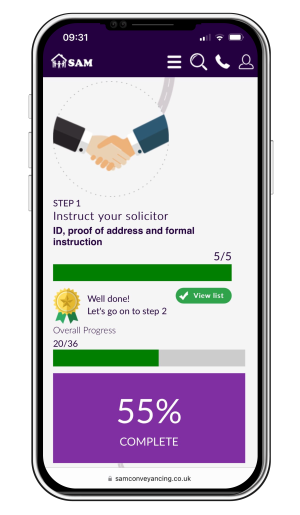
Our conveyancing process area includes:
- online checklists
- videos
- free downloads
- useful tips
It is completely free to use - from start to finish - and saves your progress along the way.
Bonus: Get a FREE book: House to Buy a House without Killing Anyone (Value £9.99).

Andrew Boast FMAAT is a qualified accountant, conveyancing specialist and author with over 25 years of experience in the UK property sector. Since beginning his career in 2000 within established SRA and CLC-regulated conveyancing solicitor firms, Andrew has overseen the legal journeys of more than 75,000 clients.
He is the self-published author of the first-time buyer guide: How to Buy a House Without Killing Anyone, and a frequent contributor to mainstream UK media on legislative updates, property law, first-time buyer guides, conveyancing best practices, and stamp duty changes. Andrew specialises in resolving complex title issues, property conflict disputes, and property tax options, streamlining the enquiry process to reduce transaction times and maintaining a client-friendly focus.

Amanda Ambler is a highly accomplished conveyancing specialist with over 15 years of dedicated experience across residential property law, legal compliance, and practice management. Having held senior roles, including Head of Legal Practice and Head of Conveyancing at established UK law firms, Amanda possesses a profound, hands-on understanding of the technical intricacies of the property market.
As the designated Legal Content Reviewer for SAM Conveyancing, Amanda ensures that every guide, legal update, and resource published meets the absolute highest standards of accuracy, regulatory compliance, and factual integrity. Her rigorous review process guarantees that complex property legislation and industry processes are communicated clearly, transparently, and safely for home buyers and sellers alike.

Exchanging Contracts: A Guide to Legally Binding Your Move

What is the Draft Contract Pack in Conveyancing?