What is the Draft Contract Pack in Conveyancing?

The draft contract pack is the collection of legal documents prepared by the seller's solicitor and sent to the buyer's solicitor. It is the first legal stage in the conveyancing process, as it means the seller has instructed their solicitor and is moving things along. Without this pack, the buyer's solicitor cannot raise their formal legal enquiries or order the necessary property searches.
Typically, it takes one to two weeks after the Sales Memorandum has been issued for a solicitor to issue the pack, depending on how quickly the seller completes the initial paperwork. The contract is a draft because it'll often need amending to correct errors or omissions.
Are
Legal
Enquiries?
By Andrew Boast, CEO of SAM Conveyancing
What is included in the draft contract pack?
What | Description |
Contract of sale | The Contract of Sale is the legal document that formally binds the seller and buyer to the transfer of legal title. It includes the names of the buyer and seller. purchase price, address, title number and other standardised terms and conditions. A property contract isn't binding when you sign it. It is only binding once your solicitor executes it on the exchange of contracts. |
Official copy of the Register Title (Property Deeds) | An office copy is a snapshot of the deeds and contains 3 sections:
|
Land Registry Title Plan | The title plan sets out the boundary of the property you are buying. The buyer will compare the title plan to the physical boundary, as boundary fences can be moved over time, and you don't want a boundary dispute with your neighbour. |
Original Conveyance | The original conveyance refers to the document that records when the land was first sold to the developer to build your property on. It contains restrictive covenants and other legal matters that your solicitor must review as part of the title check. |
Seller's Protocol Forms | The seller must complete the following forms: |
Warranties, guarantees, planning permission and building control certificates | The seller must provide certificates, guarantees, or warranties relating to works completed on the property. This is especially important in relation to double glazing, building extensions, boiler installations, cavity wall insulation and solar panels. |
Leasehold Information Pack (if leasehold) | The Leasehold Pack includes:
The freeholder/management company charge a fee for preparing this information, and if there is more than one company, you will need to pay for the pack from all of them. This doesn't often get sent by the seller's solicitor at the same time as the draft contract pack because the seller's solicitor can only request this information from the management company when they receive the Leasehold Information Form from the seller. |
Expert Tip - Send everything from the outset
The conveyancing process slows if the seller doesn't complete their documents promptly. If you want to sell as quickly as possible, make sure you complete the following as soon as possible:
- Client Care / Solicitor Instruction Form.
- ID Checks.
- Protocol Forms, TA6, TA10 and TA7.
- Leasehold Management Pack
My other top tip is to order your Leasehold Management Pack directly from the freeholder yourself. This can save weeks, as the seller's solicitor could delay this part by a week or two.
CEO of SAM Conveyancing
What is meant by partial contracts?
Partial contracts mean the seller's solicitor has sent the contract and title deed, but hasn't provided the seller's protocol forms. In essence, they haven't provided all of the documents from the list above.
How quickly are draft contracts issued by the seller's solicitor?
The speed at which draft contracts are issued depends on the seller, and the sooner they provide their complete protocol forms, the sooner the full contract pack can be issued. As a rule, this takes 1 to 2 weeks, but it can sometimes take much longer, which can delay the transaction's progress to the Exchange of Contracts.
If there is a delay in the buyer's solicitor receiving draft contracts (longer than 1 to 2 weeks after the sales memo has been released), this can often be related to the time it takes the seller to:
- complete the legal property information forms, and
- putting together the supporting documents.
It could also be that the seller's solicitor is very busy and is delayed in preparing the draft contract. The best advice is to ask the estate agent to chase the seller and their solicitor to find out when the draft contracts will be sent. Until the buyer's solicitor receives these documents, they cannot raise formal legal enquiries.
What happens after draft contracts come in?
Once the seller's solicitor has sent the complete draft contract pack, the buyer's solicitor will ask the buyer to pay for property searches, and they will start the title check, also known as raising legal enquiries. From this point forward, the solicitor is finalising the legal work in preparation for preparing the buyer's Report on Title and then moving to sign documents in readiness for the exchange of contracts.
Your Next Step in the Conveyancing Process:
With draft contracts in it, it is now time for the buyer's solicitor to Raise Legal Enquiries.
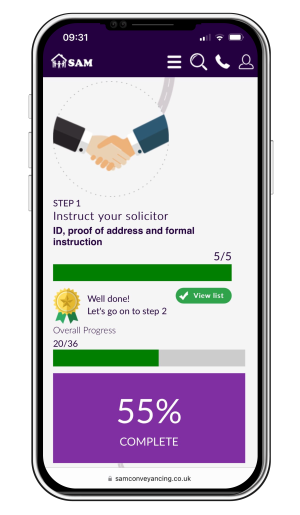
Our conveyancing process area includes:
- online checklists
- videos
- free downloads
- useful tips
It is completely free to use - from start to finish - and saves your progress along the way.
Bonus: Get a FREE book: House to Buy a House without Killing Anyone (Value £9.99).

Andrew Boast FMAAT is a qualified accountant, conveyancing specialist and author with over 25 years of experience in the UK property sector. Since beginning his career in 2000 within established SRA and CLC-regulated conveyancing solicitor firms, Andrew has overseen the legal journeys of more than 75,000 clients.
He is the self-published author of the first-time buyer guide: How to Buy a House Without Killing Anyone, and a frequent contributor to mainstream UK media on legislative updates, property law, first-time buyer guides, conveyancing best practices, and stamp duty changes. Andrew specialises in resolving complex title issues, property conflict disputes, and property tax options, streamlining the enquiry process to reduce transaction times and maintaining a client-friendly focus.

Amanda Ambler is a highly accomplished conveyancing specialist with over 15 years of dedicated experience across residential property law, legal compliance, and practice management. Having held senior roles, including Head of Legal Practice and Head of Conveyancing at established UK law firms, Amanda possesses a profound, hands-on understanding of the technical intricacies of the property market.
As the designated Legal Content Reviewer for SAM Conveyancing, Amanda ensures that every guide, legal update, and resource published meets the absolute highest standards of accuracy, regulatory compliance, and factual integrity. Her rigorous review process guarantees that complex property legislation and industry processes are communicated clearly, transparently, and safely for home buyers and sellers alike.


What are Legal Enquiries When Buying a House?