Once your property searches come back, the average time to exchange contracts from that point is typically three weeks. However, this is not a guaranteed timeline. The challenge with this window is that the speed of progress depends entirely on what the searches reveal and how proactively your conveyancing solicitor works.
During this stage, buyers often feel like they are in the dark. Below, we explain exactly what work is completed after your searches come in, what process issues can slow things down, and the most effective way to keep your transaction moving.
Key Takeaways
The 3-week window: It typically takes an average of three weeks to be ready for exchange contracts once your property searches come back, but the chain and legal process can delay this.
Expect further enquiries: Solicitors do not just file searches away; they actively review the data and must raise formal legal enquiries if any red flags appear.
Lender delays: If a search reveals a major title defect (like missing building regulations), your solicitor must refer it to your mortgage lender, which can add up to 15 working days to your wait.
Workflow matters: A reactive solicitor who staggers their workload or waits for a mortgage offer before ordering searches will instantly derail your timeline.
The cash advantage: Cash buyers are not bound by strict mortgage lender rules and can choose to skip searches entirely for a much faster exchange.
When the search providers finally return your results, your solicitor does not simply file them away and move to exchange. They must undertake a meticulous legal review, cross-referencing the search data against the title register to protect your financial investment. During this three-week period, your solicitor is actively reviewing:
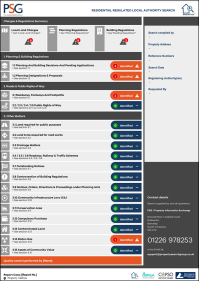
Planning and Building Regulations: Checking local council entries to ensure any extensions, structural alterations, or replacement windows have the correct legal certification and completion certificates.
Enforceable Legal Restrictions: Investigating whether the property is subject to strict conditions—such as a Section 106 agreement under the Town and Country Planning Act 1990, or planning permissions that could negatively affect the property's future value or marketability.
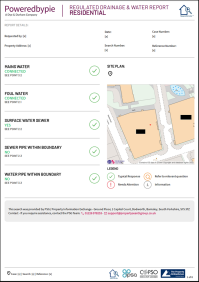
Water and Drainage Connections: Confirming exactly where your water and drainage pipes run, whether the property is connected to a public sewer, or if it relies on private off-grid drainage like a cesspit or septic tank (which carry their own strict environmental compliance rules).
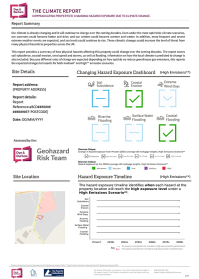
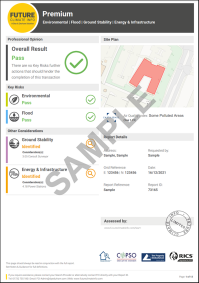
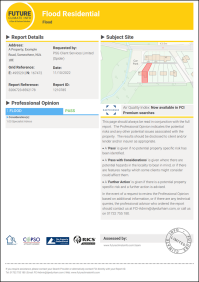
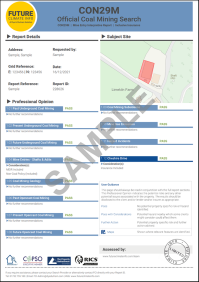
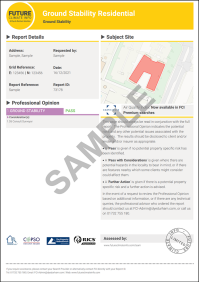
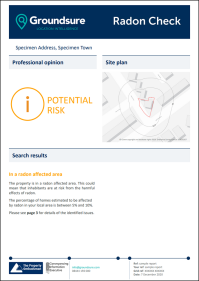
Environmental and Ground Risks: Analysing data for high flood risks, radon gas exposure, historical contaminated land entries, and potential ground stability issues like subsidence or historical mining.
Leasehold and Building Safety (If Applicable): If you are buying a leasehold flat, they will review the Leasehold Management Pack. Waiting for a managing agent to produce this pack often delays the exchange of contracts by 3 to 7 weeks. Furthermore, if the building is over 11 metres tall, your solicitor will have to review the complex compliance certificates required by the Building Safety Act.
Raising Additional Enquiries & Drafting the Report: If any of these searches flag a potential risk or missing documentation, your solicitor must draft and submit a new wave of formal legal enquiries to the seller's solicitor. Once all search results are satisfactory and all enquiries are answered, your solicitor will finally compile your Report on Title, translating the legal findings into plain English for you to sign.
What will cause delays between searches and exchange?
Even if there are no major legal defects with the property, the way your solicitor manages their workload can significantly stretch this three-week timeline. Common process delays include:
A staggered workflow: If your solicitor operates reactively and refuses to raise initial legal enquiries until they are in receipt of both all the property searches and your formal mortgage offer.
Ordering searches too late: If your solicitor waits until your mortgage offer is formally approved before even ordering the searches, adding weeks of unnecessary waiting time to the start of the process.
Slow freeholders and managing agents: If you are purchasing a leasehold property, your conveyancer is entirely dependent on the freeholder or managing agent to provide compliance certificates and answer specific lease enquiries. Notoriously slow response times from these third parties can halt your transaction for weeks.
Inefficient solicitors: The delay might not even be your conveyancer's fault. If the seller's solicitor is overworked, uncommunicative, or heavily reliant on outdated postal systems, it will drastically slow down the speed at which enquiries are answered and documents are processed.
Over-chasing: If you or the estate agent chase your solicitor multiple times a day. Even the most efficient conveyancers need uninterrupted, focused time to thoroughly review search results and draft complex legal reports. Constant phone calls actively disrupt this necessary work.
What happens if the searches reveal a major problem?
While the points above cover standard workflow delays, actual legal defects uncovered within the searches (or the wider conveyancing process) can halt your transaction entirely. If your searches reveal a severe issue, or you are stuck in a property chain, the three-week average timeline goes out the window.
Expert Tip: Delays caused by lender-referred enquiries
If the seller cannot provide a satisfactory answer to a critical legal enquiry triggered by your searches, such as missing building regulations or a defective lease,m and you are buying with a mortgage, your solicitor is legally obligated to refer the defect to your lender.
This is where transactions often grind to a halt. You lose control of the timeline because your file is placed in the lender's legal queue, which can take 5 to 15 working days for a response.
The best way to mitigate this delay is to ensure your solicitor submits a fully packaged referral (including any proposed indemnity insurance quotes) the very first time, so it doesn't bounce back and reset the clock. Read our complete guide to solicitor-referred legal enquiries.
What conveyancing searches do you need in order to exchange?
Not all conveyancing searches are mandatory; however, you are heavily advised to get them to fully inform yourself about the property you are buying. The mandatory searches are set by your mortgage lender. If you are not purchasing with a mortgage, you can legally take the risk and exchange without searches.
Search
Mandatory or Not Mandatory
How long?
Local Authority Search
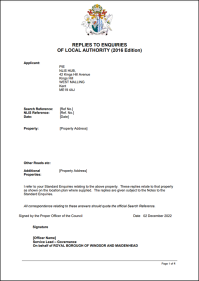
This is a mandatory search if you are getting a mortgage. You can see the lender requirements by checking the Lenders' Handbook - Part 2 - Sections 5.4 Searches and Reports and 5.5 Planning and Building Regulations. Read more - What is a local authority search?
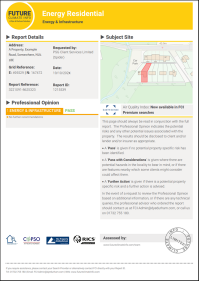
This could be a mandatory search if you are getting a mortgage. You can see the lender requirements by checking the Lenders' Handbook - Part 2 - Section 5.4.4 Does the lender want to receive environmental or contaminated land reports? Read more - What is an Environmental Search?
Are you a cash buyer? Because you do not have a mortgage lender dictating strict rules, you have the option to skip searches entirely to save time. Read our guide to find out if you need searches when buying a house for cash.
How can I speed up my contract exchange?
You can proactively speed up your contract exchange by taking control of the elements within your power. Here is how to keep the momentum going and avoid common bottlenecks:
Order searches immediately: Instruct your solicitor to order your conveyancing searches upon instruction, or as soon as the full draft contract pack is received from the seller.
Secure your mortgage early: Obtain your formal mortgage offer as early in the process as possible to prevent last-minute delays during the lender's underwriting stage.
Vet your solicitor's workload: Instruct a conveyancer who has excellent reviews for communication, and explicitly ask them about their current caseload and any upcoming holidays before you instruct them.
Return documents via Special Delivery: Never rely on standard first or second-class post. Always return your physical, ink-signed documents (such as the final contract and mortgage deed) via Royal Mail Special Delivery to ensure they arrive securely the next working day.
Package lender referrals correctly: If a legal enquiry requires lender consent, ensure your solicitor submits a fully packaged referral (including any necessary indemnity insurance quotes) the first time. This stops the referral from bouncing back and resets the lender's 5 to 15-day processing queue.
Leverage your estate agent: Use your estate agent to communicate actively up and down the property chain. Pinpointing exactly whose solicitor is causing a bottleneck is the best way to force the issue and keep the chain together.
Consider search indemnity: If your local council has a severe backlog, ask your solicitor if your mortgage lender will accept Delayed Search Indemnity Insurance, which can allow you to exchange contracts before the official results arrive.
Before you finally cross the finish line, do not forget to conduct a final pre-exchange viewing to ensure there has been no damage to the property before you legally commit by signing the contract.
Order Your Searches
Standard Search Bundle
Order the most common searches required for purchasing a property in our search bundle. It is cheaper than buying them individually.
Andrew Boast FMAAT is a qualified accountant, conveyancing specialist and author with over 25 years of experience in the UK property sector. Since beginning his career in 2000 within established SRA and CLC-regulated conveyancing solicitor firms, Andrew has overseen the legal journeys of more than 75,000 clients.
He is the self-published author of the first-time buyer guide: How to Buy a House Without Killing Anyone, and a frequent contributor to mainstream UK media on legislative updates, property law, first-time buyer guides, conveyancing best practices, and stamp duty changes. Andrew specialises in resolving complex title issues, property conflict disputes, and property tax options, streamlining the enquiry process to reduce transaction times and maintaining a client-friendly focus.
Amanda Ambler is a highly accomplished conveyancing specialist with over 15 years of dedicated experience across residential property law, legal compliance, and practice management. Having held senior roles, including Head of Legal Practice and Head of Conveyancing at established UK law firms, Amanda possesses a profound, hands-on understanding of the technical intricacies of the property market.
As the designated Legal Content Reviewer for SAM Conveyancing, Amanda ensures that every guide, legal update, and resource published meets the absolute highest standards of accuracy, regulatory compliance, and factual integrity. Her rigorous review process guarantees that complex property legislation and industry processes are communicated clearly, transparently, and safely for home buyers and sellers alike.
People also searched for
How to save money on conveyancing costs when buying a home