How long between exchange and completion?

How long between exchange and completion can be any time, mutually agreed between all parties in the chain, although 2 weeks is usually the standard. Most buyers want to exchange and complete on the same day, which is possible but not advisable.
In this article, we explain the pros and cons of how long the time should be between you exchanging and completing - quite often, it comes down to what is logistically possible rather than anything else.
If you've already exchanged, your next milestone will be Completion Day.
Can you exchange and complete on the same day?
Exchange and completion on the same day is an option. It comes with logistical issues, which normally stop it from happening. The biggest problem that stops exchange and completion on the same day is drawing down mortgage funds. Here are the other pros and cons:
Pros | Cons |
|---|---|
Pros
| Cons
|
3 days between exchange and completion
This is a great option for a no-chain and vacant property, often adopted by first-time buyers. In essence, it gets the fastest completion after exchange and has very few downsides other than it may take your mortgage lender more than 3 days to send your solicitor the mortgage funds.
Pros | Cons |
|---|---|
Pros
| Cons
|
What is the best and worst day to complete?
You can complete on any day the seller and the buyer agree on. Most people choose Friday as their completion day to tie in moving in with the weekend, maximising the time to unpack and get their life in order. However, with Friday being in such high demand, you can find the removals cost a lot more than any other day of the week. If you can do so, choosing a Monday or a Tuesday to complete can save on removal costs and your solicitor is less likely to be busy.
Another issue of completing on a Friday is that if you do fail to complete, you have to wait until Monday before you can complete which means the breaching party is covering the other party's costs over the weekend. You can read more about the costs of failing to complete here.
1 to 2 weeks between exchange and completion
This is the ideal time between exchange and completion, giving both seller and buyer time to organise themselves once they know they are legally bound to complete after exchanging contracts. Remember, before exchanging, there are no guarantees either party will complete.
Pros | Cons |
|---|---|
Pros
| Cons
|
Happens when
You exchange
Contracts?
By Andrew Boast, CEO of SAM Conveyancing
1 to 3 months between exchange and completion
This length of time is predominantly requested by first-time buyers looking to tie in their rental notice period with their exchange. The formal notice period for assured tenancy rentals is 2 months. If you are tempted to hand in your rental notice before exchanging contracts, then read this - Made Homeless After Handing Notice to Landlord.
Pros | Cons |
|---|---|
Pros
| Cons
|
Exchange contracts without a completion date
When you buy a new build property, you must exchange contracts within 28 days after reserving it. You are given an estimated time when the property will be built. The final build date can be delayed; however, once the property is signed off as completed by building control, the developers serve notice on you, and you'll need to complete it within 2 weeks.
Pros | Cons |
|---|---|
Pros
| Cons
|
What Happens After You Have Exchanged?
Once the exchange is finalised, the legal uncertainty ends, and the countdown to your move begins. Your solicitor will now carry out final Land Registry searches and request the mortgage funds from your lender. For you, the focus shifts from legal enquiries to the practicalities of packing and notifying utility providers.
The period between exchange and completion usually lasts between one and two weeks, though it can happen much faster. Now that your move is legally guaranteed, it is time to prepare for the logistics of the big day.
Your Next Step in the Conveyancing Process:
Preparing for Completion
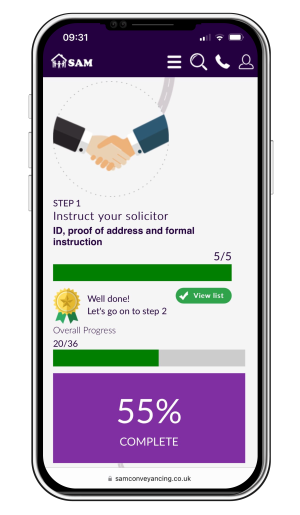
Our conveyancing process area includes:
- online checklists
- videos
- free downloads
- useful tips
It is completely free to use - from start to finish - and saves your progress along the way.
Bonus: Get a FREE book: House to Buy a House without Killing Anyone (Value £9.99).

Andrew Boast FMAAT is a qualified accountant, conveyancing specialist and author with over 25 years of experience in the UK property sector. Since beginning his career in 2000 within established SRA and CLC-regulated conveyancing solicitor firms, Andrew has overseen the legal journeys of more than 75,000 clients.
He is the self-published author of the first-time buyer guide: How to Buy a House Without Killing Anyone, and a frequent contributor to mainstream UK media on legislative updates, property law, first-time buyer guides, conveyancing best practices, and stamp duty changes. Andrew specialises in resolving complex title issues, property conflict disputes, and property tax options, streamlining the enquiry process to reduce transaction times and maintaining a client-friendly focus.

Amanda Ambler is a highly accomplished conveyancing specialist with over 15 years of dedicated experience across residential property law, legal compliance, and practice management. Having held senior roles, including Head of Legal Practice and Head of Conveyancing at established UK law firms, Amanda possesses a profound, hands-on understanding of the technical intricacies of the property market.
As the designated Legal Content Reviewer for SAM Conveyancing, Amanda ensures that every guide, legal update, and resource published meets the absolute highest standards of accuracy, regulatory compliance, and factual integrity. Her rigorous review process guarantees that complex property legislation and industry processes are communicated clearly, transparently, and safely for home buyers and sellers alike.

Exchanging Contracts: A Guide to Legally Binding Your Move


Can I Pull Out After Exchange of Contracts?